September 2026 - Merdeka Textile Museum
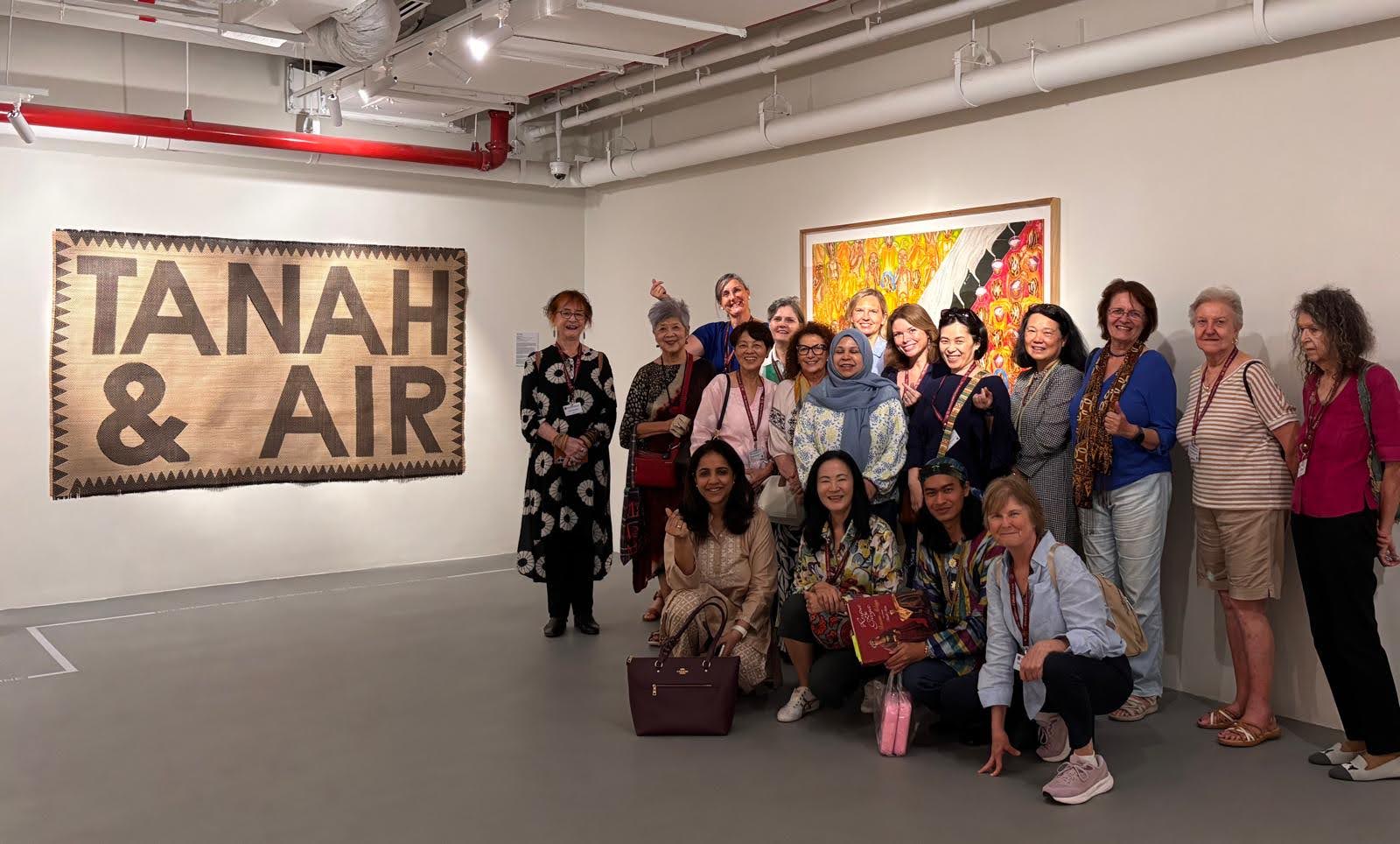
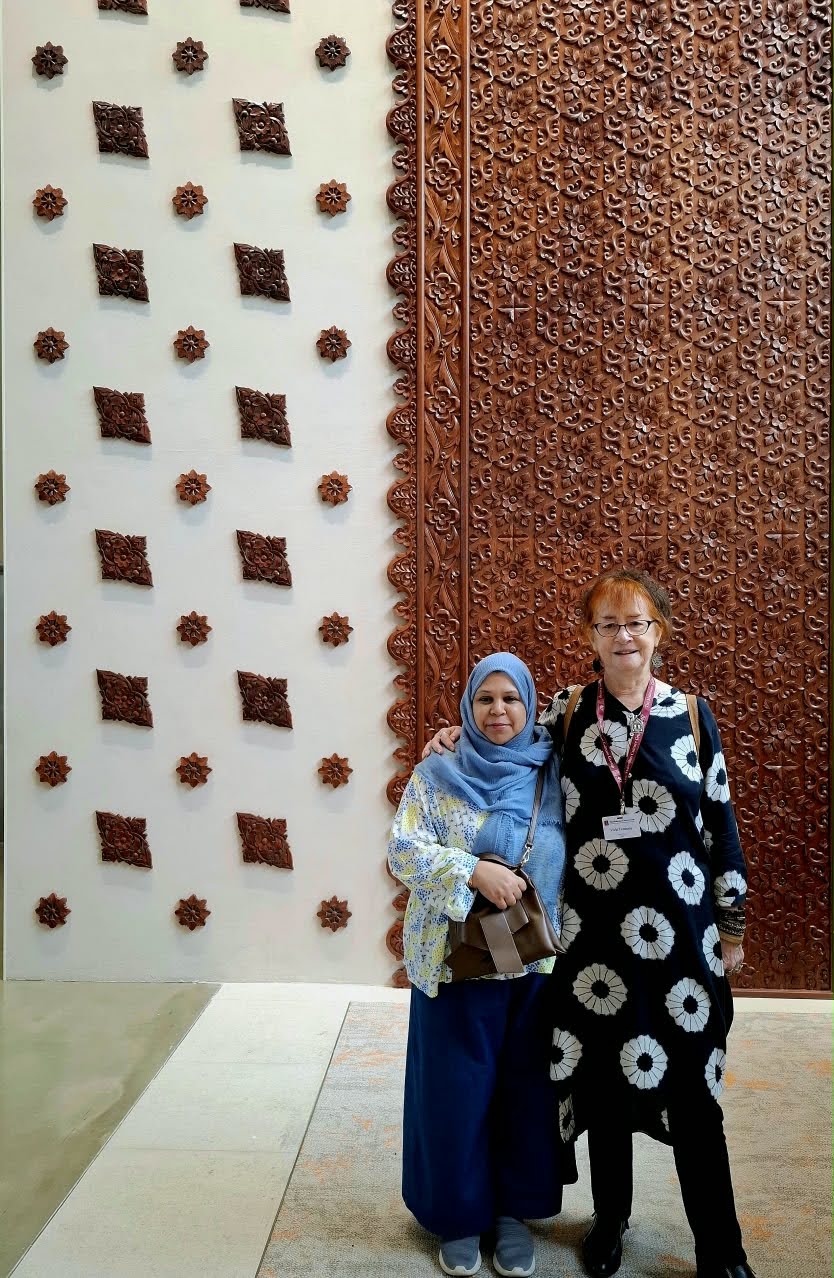
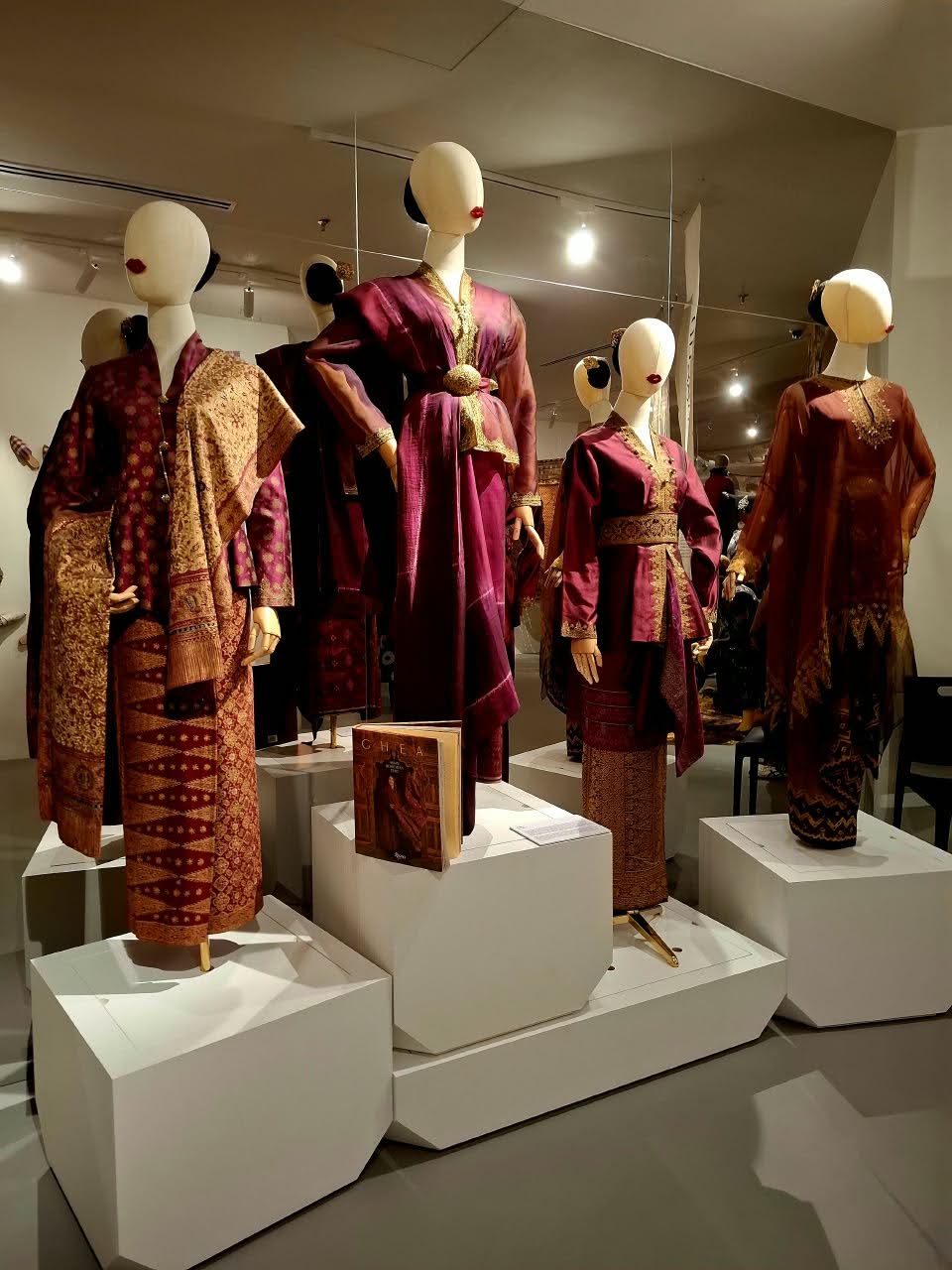
Nineteen MCG members arrived bright and early on the morning of 23rd September at the newly minted Merdeka Textile Museum(MTM). The MTM is a museum and cultural centre located within Look At 118. We were guided by the knowledgeable and amiable Fitri Baderulnizam. The late Azah Aziz’s valuable textile collection is being displayed at MTM; dedicated to preserving and celebrating the heritage of Malay World Textiles. Azah is also mother to former Malaysia Bank Negara Governor Tan Sri Zeti Akhtar Aziz. A patron of the culture, all books authored by her became the foundation for the MTM. It was also revealed that Azah received tutelage under the famous Tokoh Sasterawan Negara (Malaysian National Laureate), Zaaba.
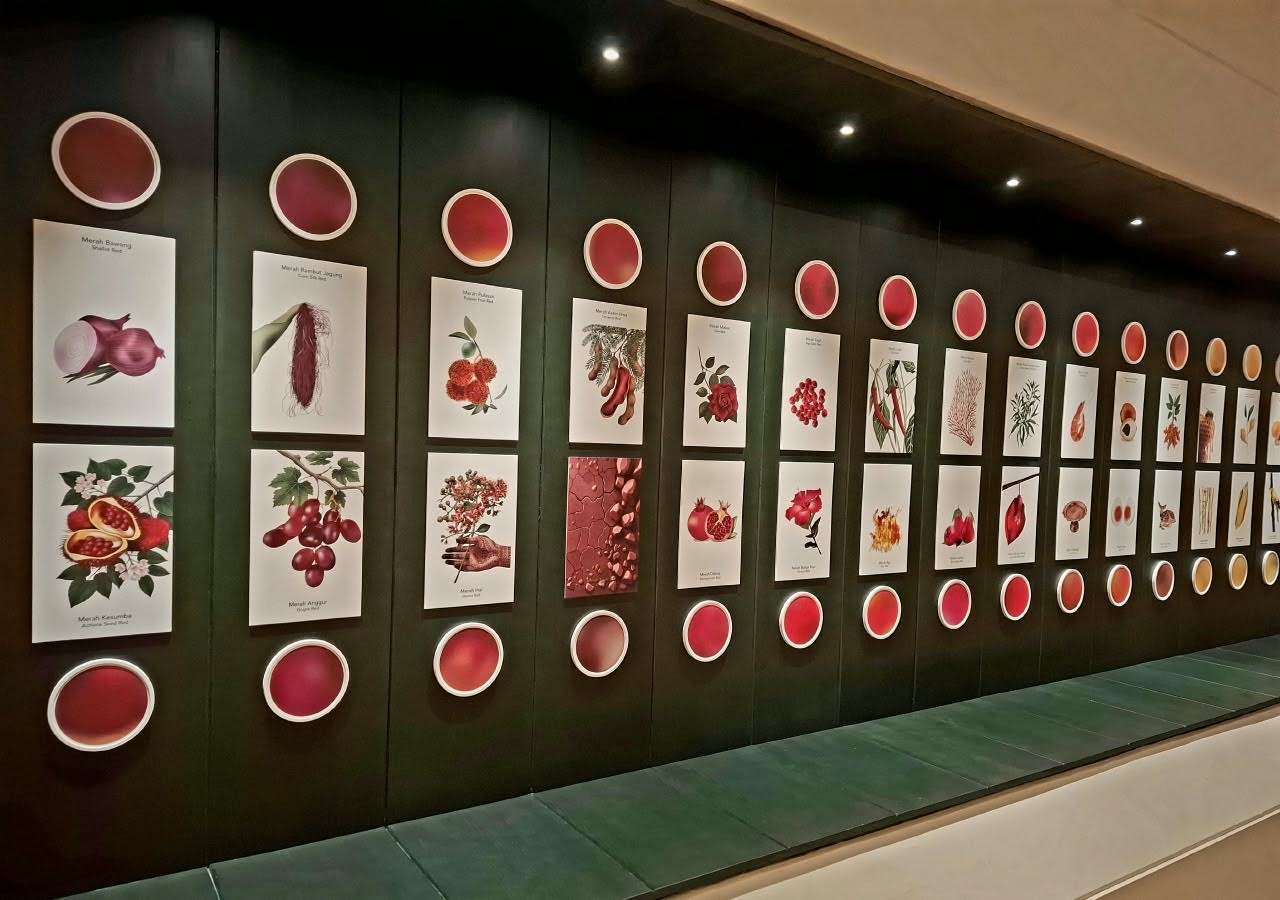
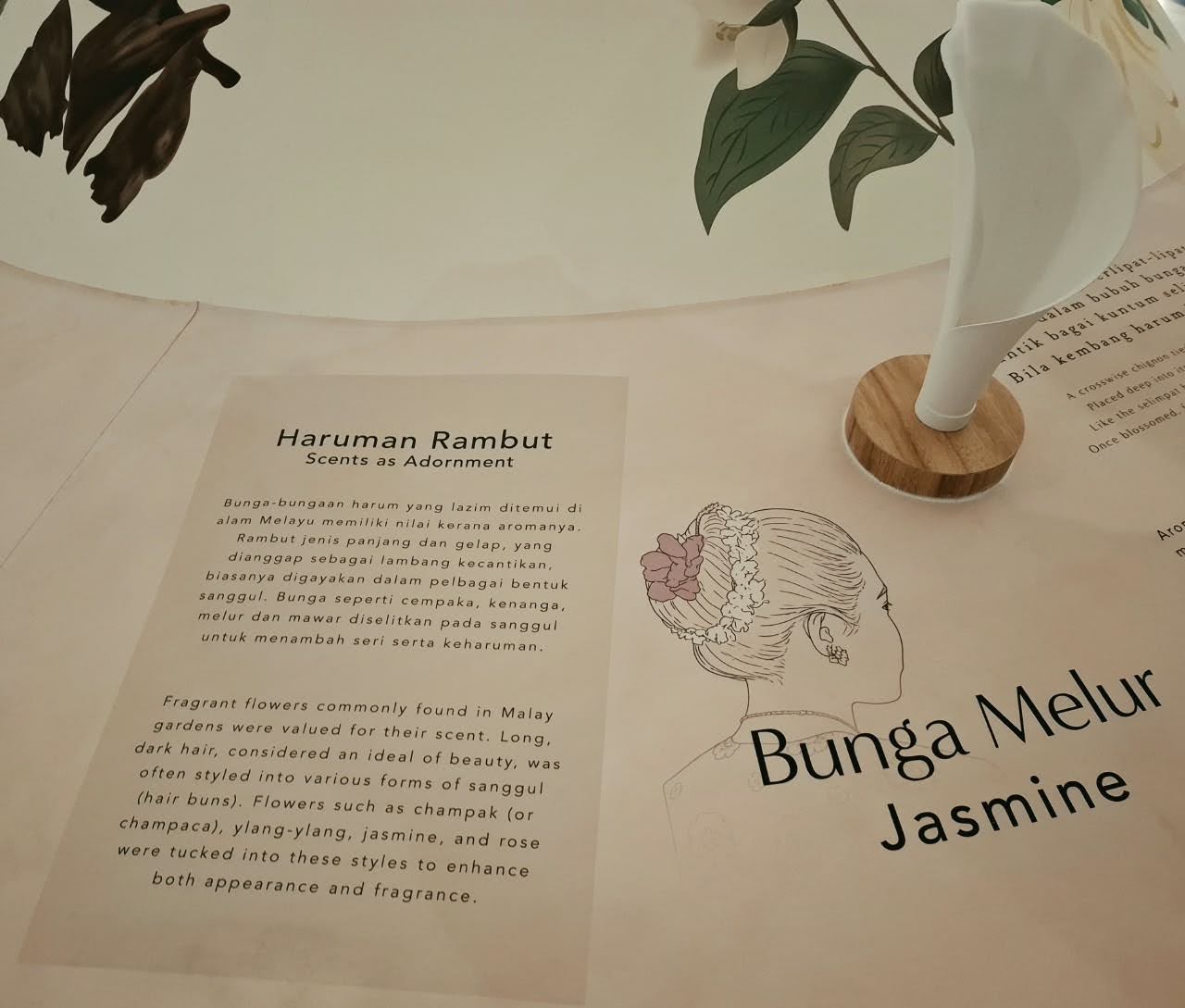
The first gallery – the Forbidden Forest brought out sounds of nature, the chattering of birds, introducing us to Ilham, the Malay concept of being inspired by Nature. We learnt that the Malay language is so refined that there are over 30 hues of red described in the language. These rich hues of colours defined the process of textile weaving. Fibres were richly utilised, fragrances from a range of flowers were also represented in the creation of textiles.
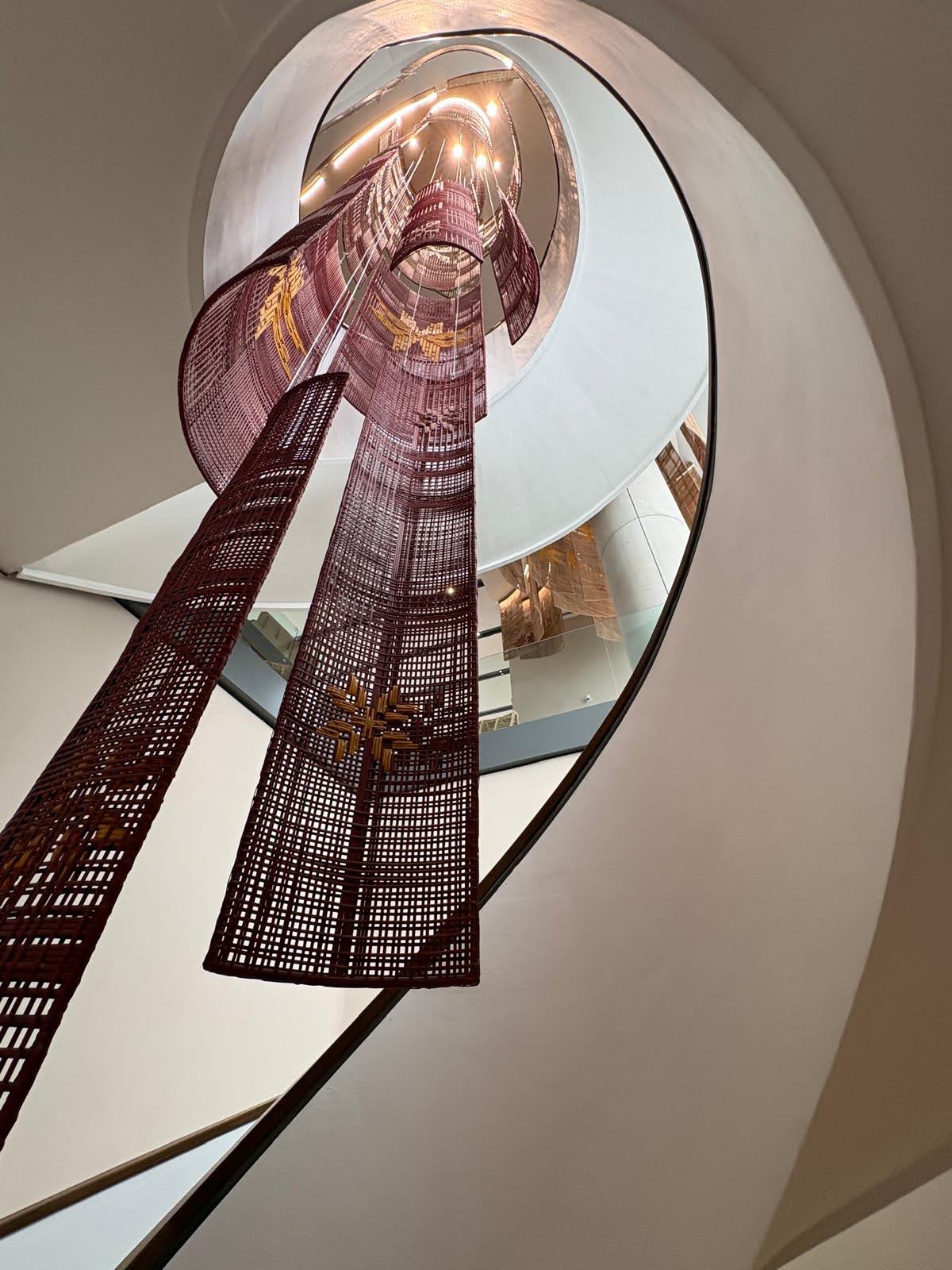


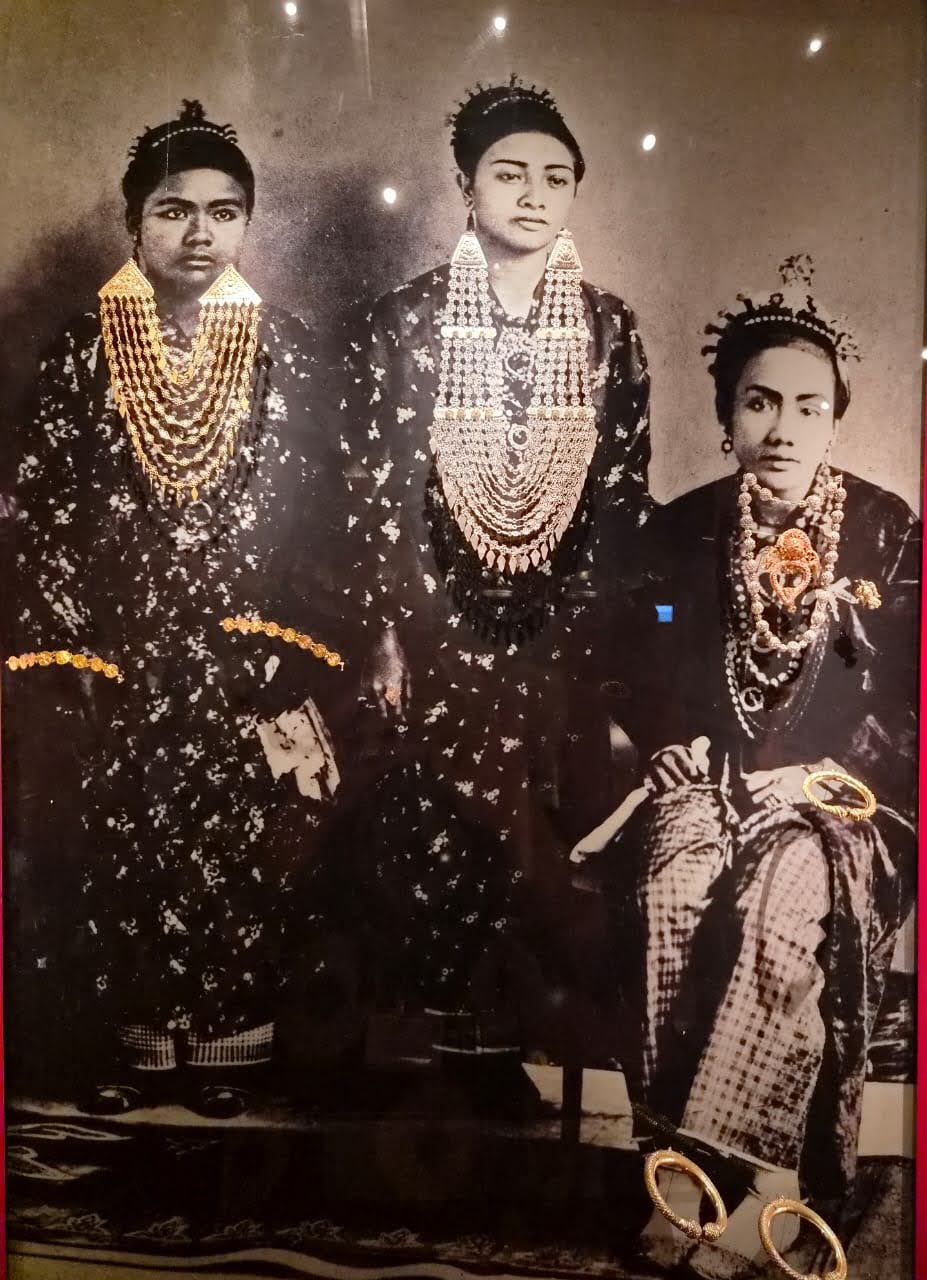
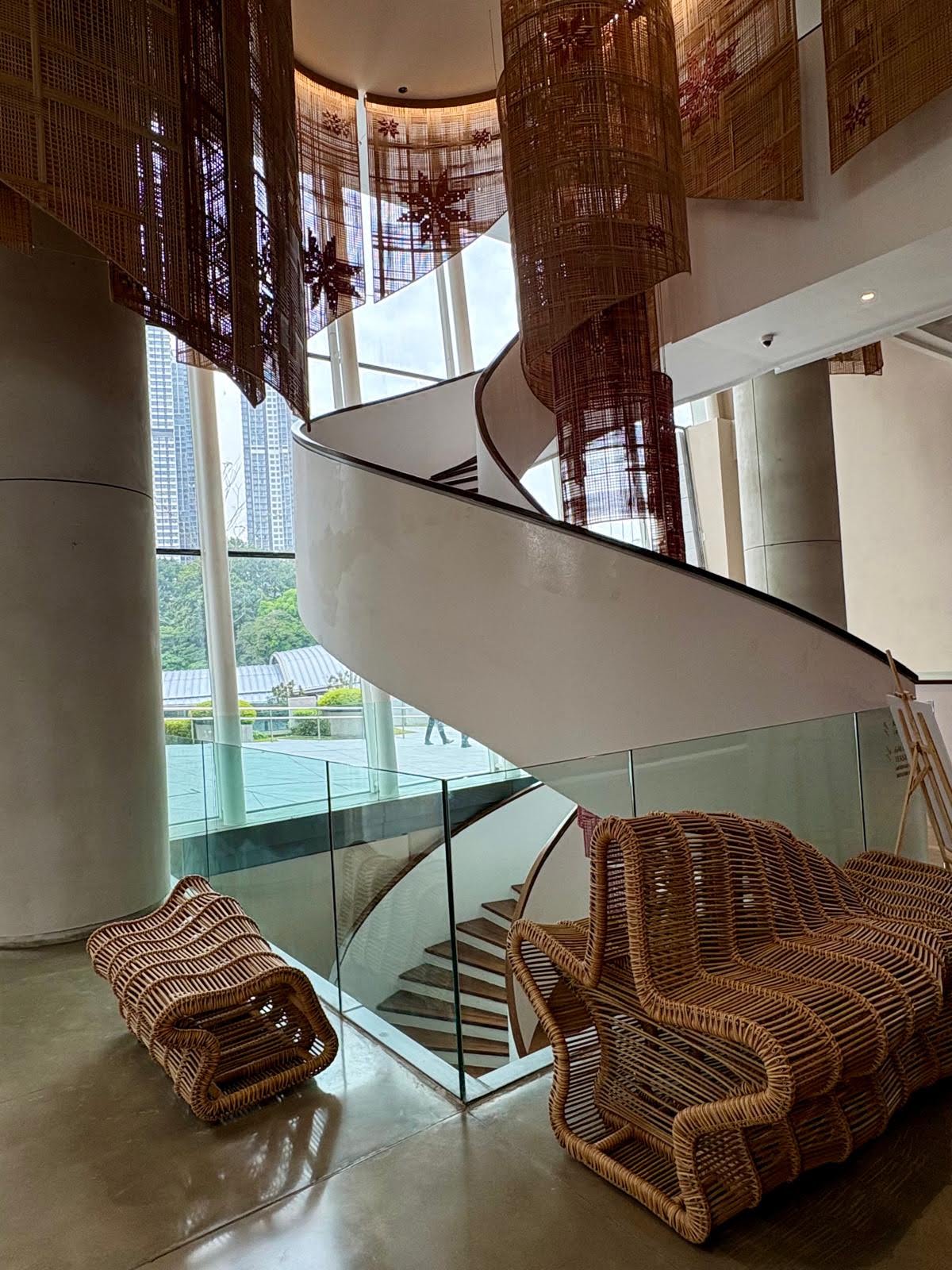
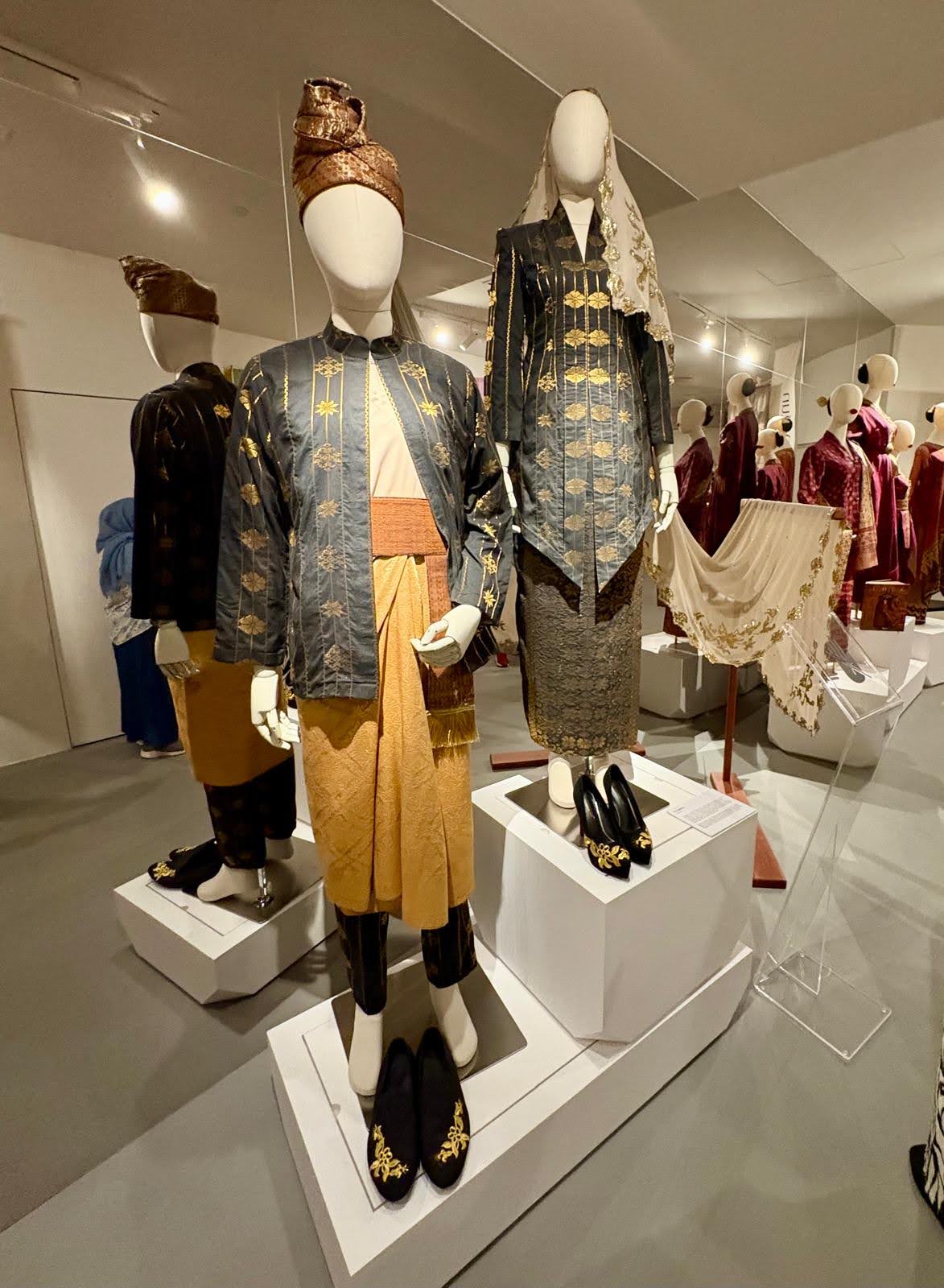

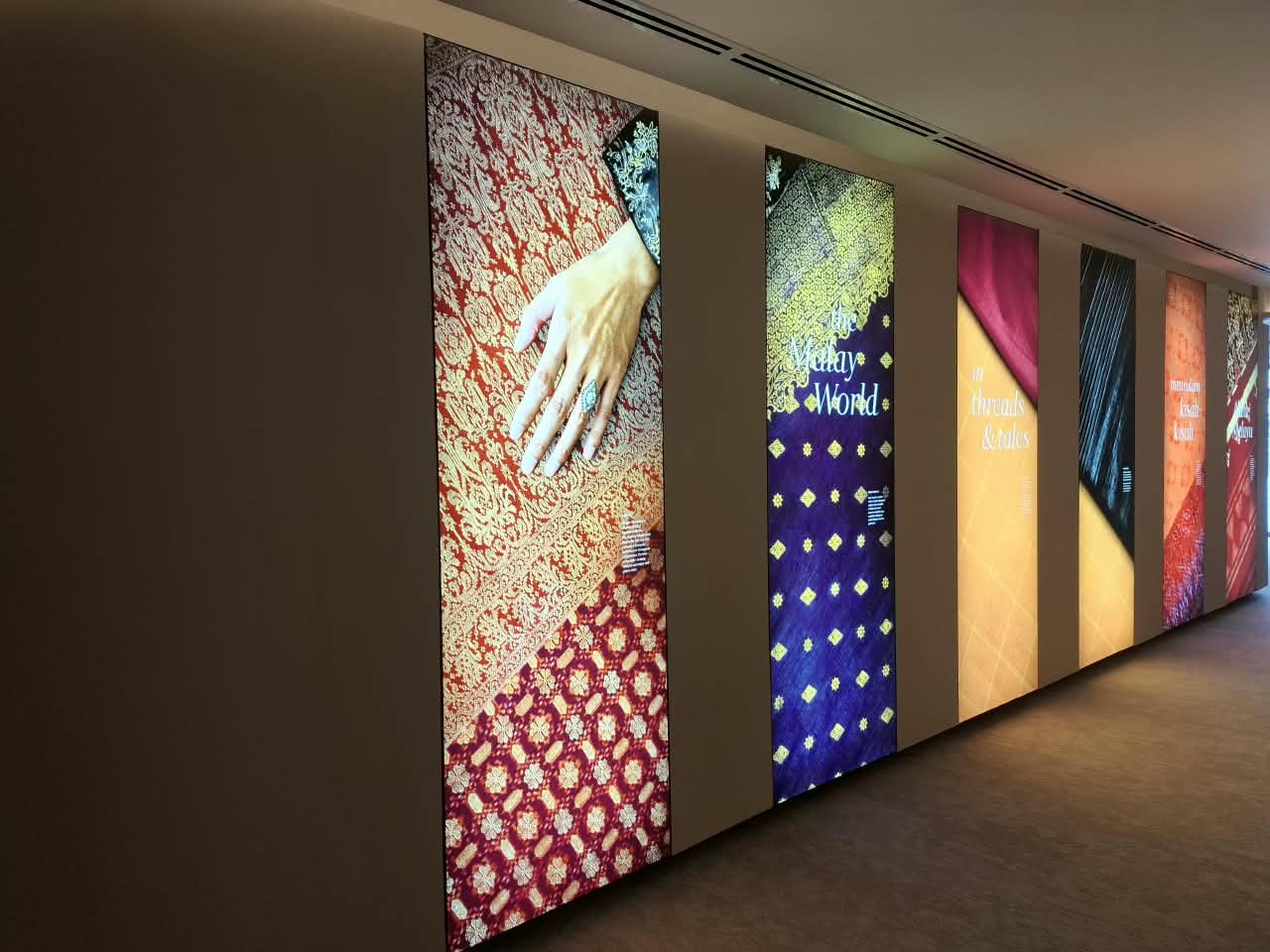

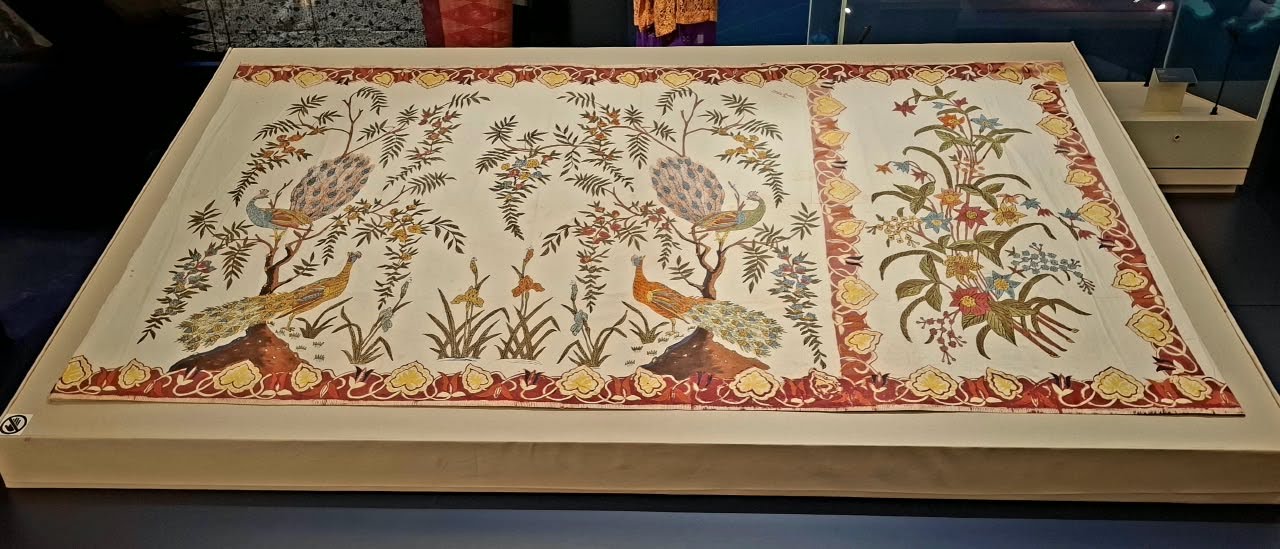
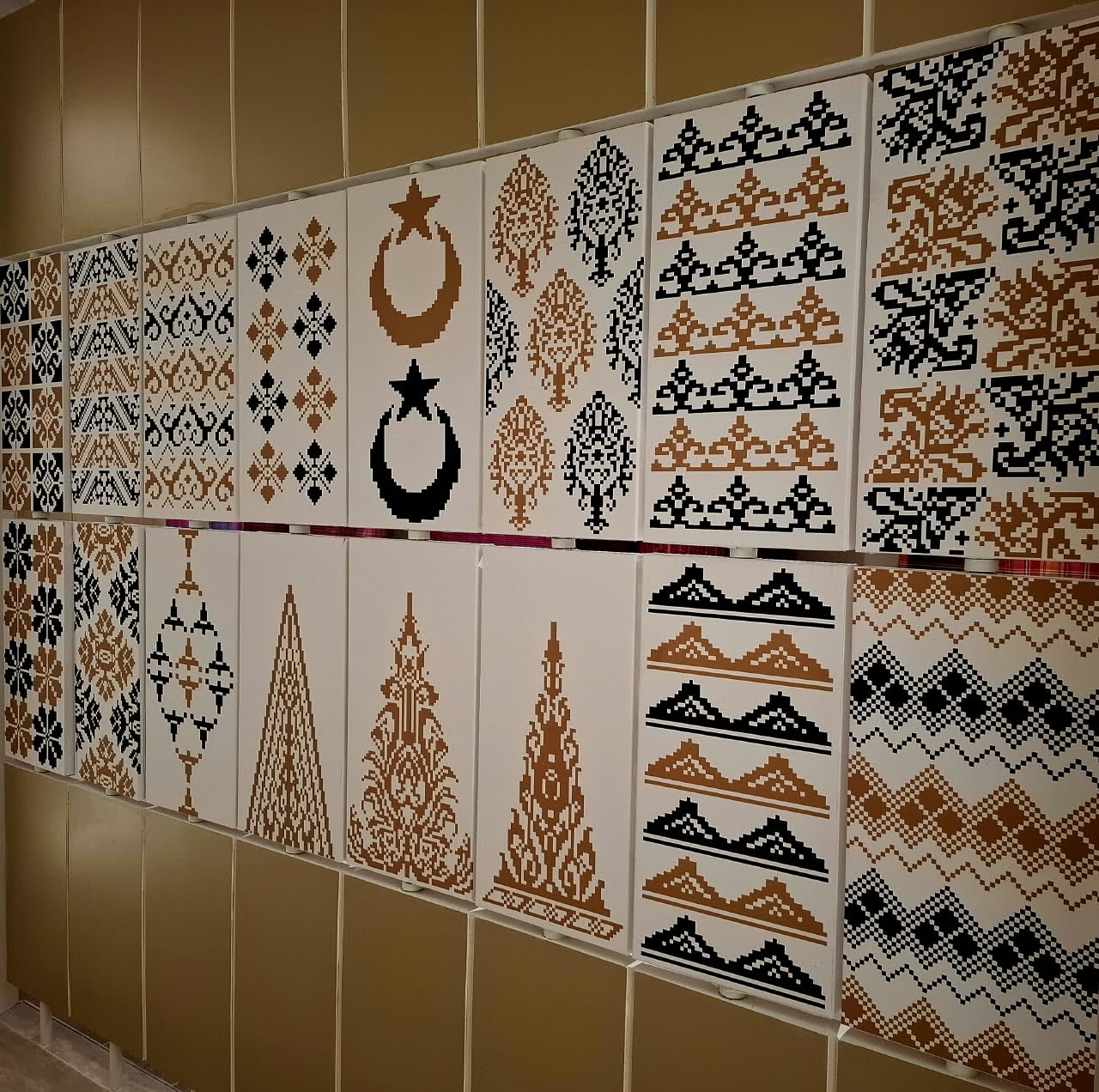
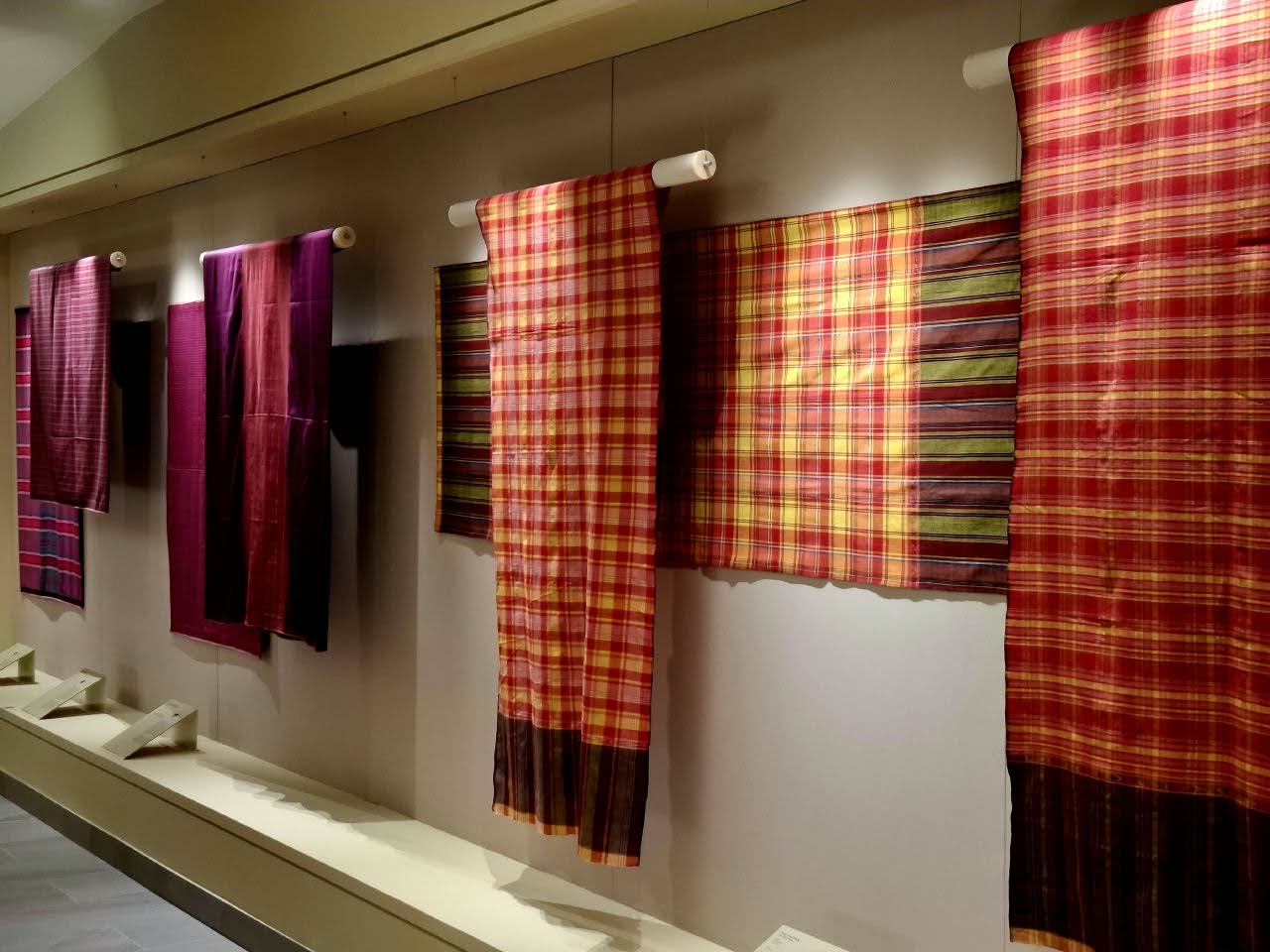
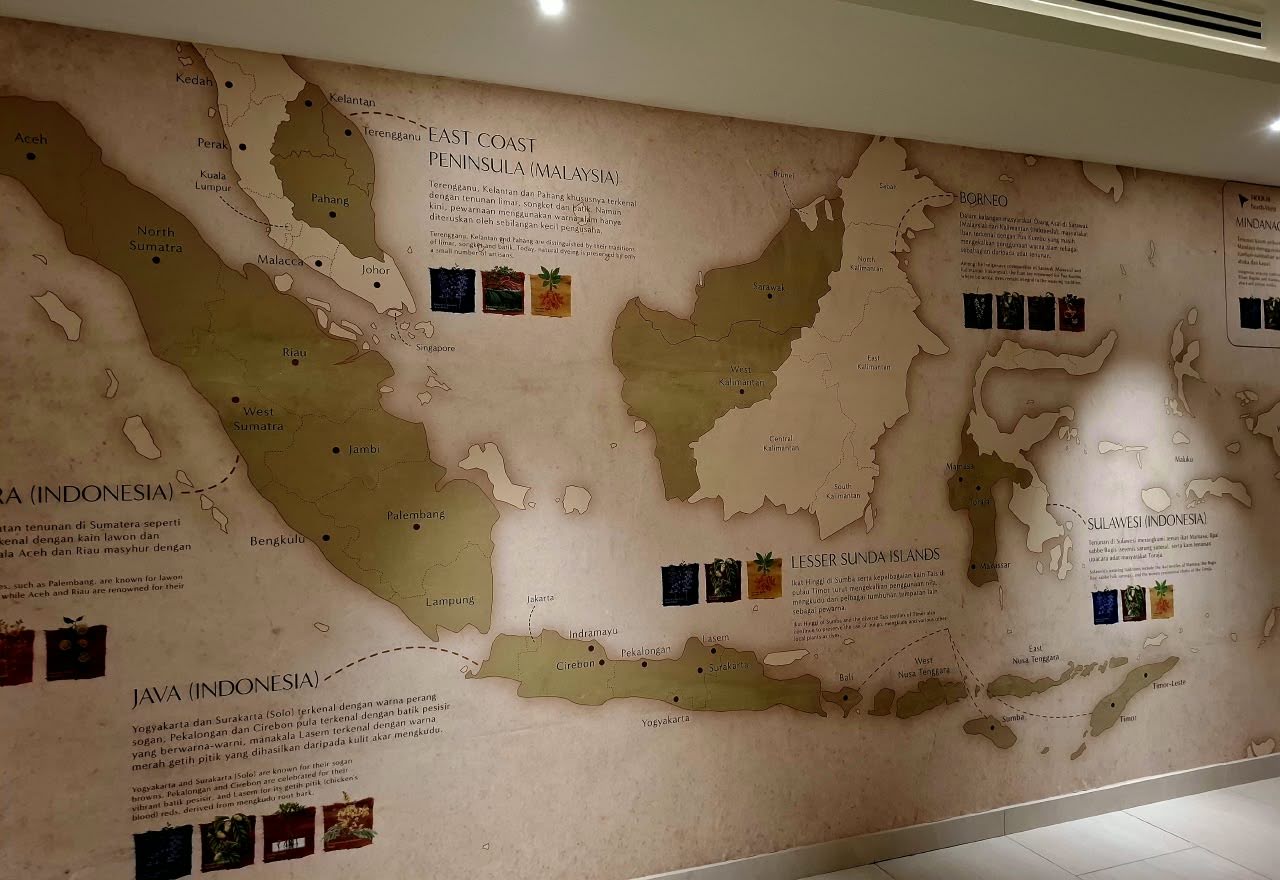
The global Malay world with Bahasa Melayu firmly anchored in the centre, acted as an interaction between cultures. Therefore one can find a similar “cindai patola double ikat” in Gujarat, similar prints in Okinawa and also in Bali. Essentially, the structure of a sarong consists of three panels. The kepala (head), badan (body) and kaki (bottom end). The patterns are often inspired by nature coming from the awan (clouds), bunga (flower), pucuk rebung (bamboo shoot), tampuk manggis (the star-like base of the mangosteen fruit), mahkota raja (the king’s crown) and others. On the other hand, a chequered pattern is based on the Ragi (finger millet). The telepuk techniques and craftsmanship needed four persons to complete the process.(which involves gilding finely woven cotton or silk fabric with delicate 24k gold leaf to create shimmering floral, foliate, or geometric patterns). A conch shell was used to rub on the material to press it down flat, at the same time leaving it with a glistening sheen. We were fascinated to watch video images from devices that upon sliding them over a textile display, we could see the origins of its design.
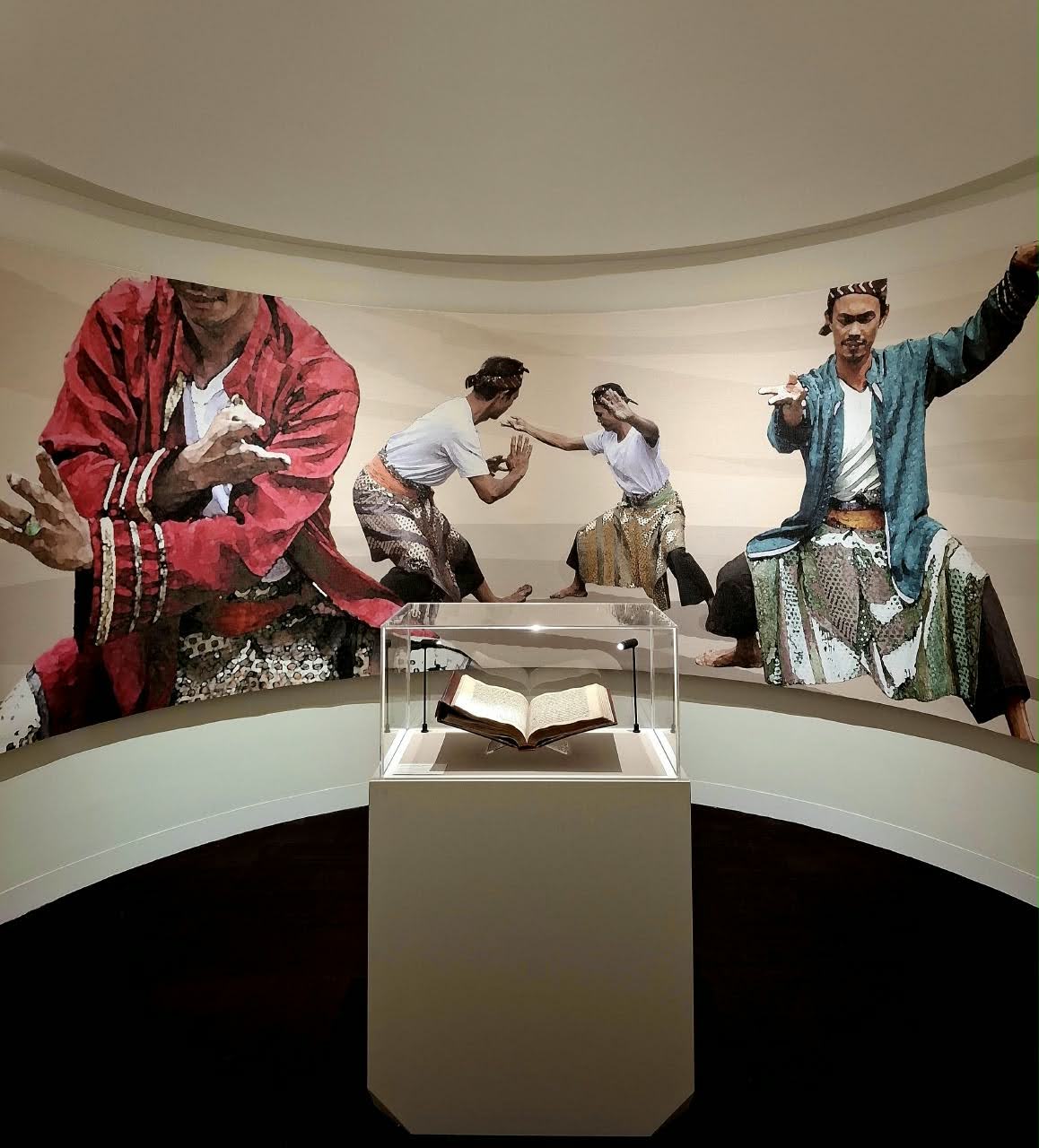
Besides clothing, Malay textiles were exemplified in the wearing of headgears (tanjak and tengkolok), samping (waist cloth) and selendang (women headcovers). Spiritual elements showed up in the embroidered calligraphy in the making of a kain limar (ceremonial shoulder cloth). Various historical literature such as the Hikayat Hang Tuah and Hikayat Malim Dewa lent their pages to the beauty of the Malay textiles.
Although certain materials, colours and designs were only used by the royal households and nobility in the past, it can be freely used by commoners and the rakyat today. Designs have also progressed with contributions by modern day designers, influence from the migration of the Nusantara community and other migrant communities. All these represent the rich heritage of the Malay World shaped by maritime trade, local craftsmanship and diverse cultural influences.
Thank you Saudara Fitri for your captivating narratives.
Review with many thanks to Azlina Azmi


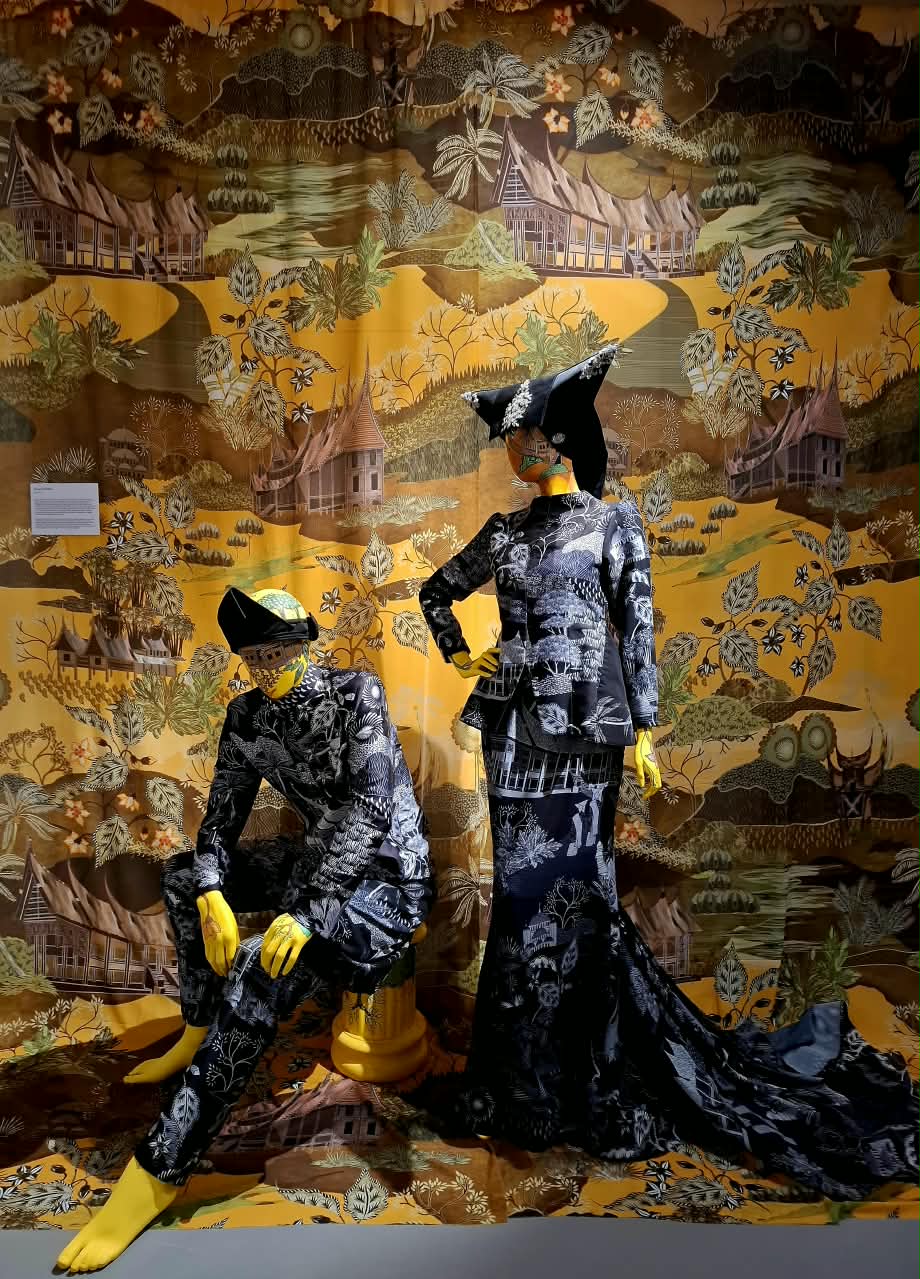

Mudik sungai berakit-rakit
Rakit bersama si Awang Budiman
Baju Melayu berkain songket
Warisan bangsa zaman berzaman
Travelling on the river on a raft
Rafting with Awang the wise
Wearing baju Melayu with a songket sarong
Is a heritage that lasts through generations
(Credit : Pantun Pakaian, Scribd.com)