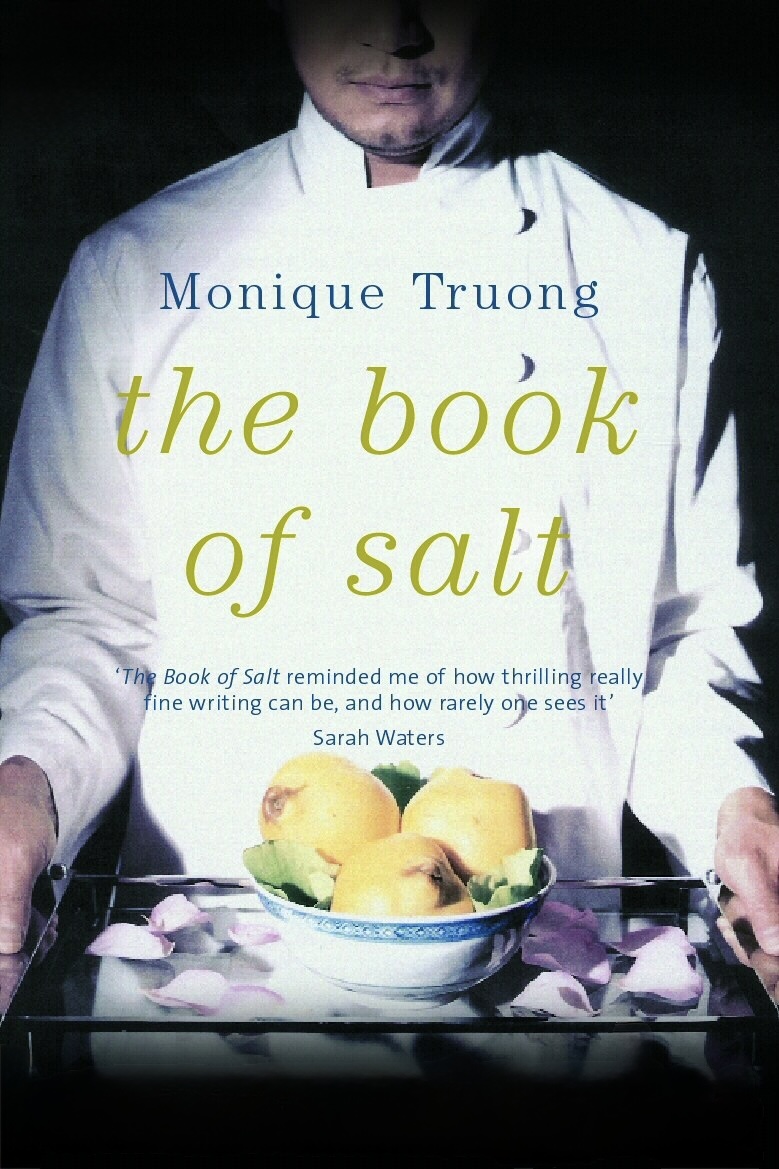
May 2026 - The Book of Salt
The Book of Salt, the debut novel by Vietnamese-American author Monique Truong, is a quietly unusual book. It tells the story of Binh, a Vietnamese cook who finds himself working in the Paris household of Gertrude Stein and Alice B. Toklas in the 1930s. Truong takes a passing detail from Toklas’s autobiography – that the couple employed Vietnamese cooks – and builds an entire inner world from it, narrating the story from Binh’s perspective. The result is a novel about exile, invisibility, and the particular loneliness of those who serve.
The novel moves between Binh’s present life in Paris and his memories of Vietnam. His story is shaped by two rejections: expulsion from his family home after his father discovered his homosexuality, and the broader displacement of living as a colonial subject in the country that occupied his homeland. In Paris, Binh remains a perpetual outsider – defined by his race, his class, and his role as a servant. He sees the bohemian world of the Stein salon from the kitchen, cooking for people who appreciate his skill but do not see him as a person.
In our group discussion, we agreed that the most vivid and pleasurable passages in the book were the descriptions of food. Truong uses cooking as a language of memory and identity – through the smells and textures of what he prepares, Binh recalls his mother, his homeland, and all that he has lost. These sections are genuinely beautiful and stand out as the novel’s greatest strength.
However, the group found the novel to be slow and difficult to engage with. The writing style made it hard to build a sense of emotional connection. The themes – colonialism, queerness, belonging, felt important but at times more observed than felt. Several readers found themselves admiring the book more than enjoying it, and more than one person admitted struggling to finish it.
The Book of Salt is a novel with a distinctive vision and real literary ambition. Truong gives voice to a figure history has made invisible, and the food writing alone makes it worth picking up. But for our group, the slow pace and fragmented narrative made it a challenging read rather than a rewarding one.
The group rated the book 5/10
Review written by Annya Rakhimova