February 2026 - Buka Puasa
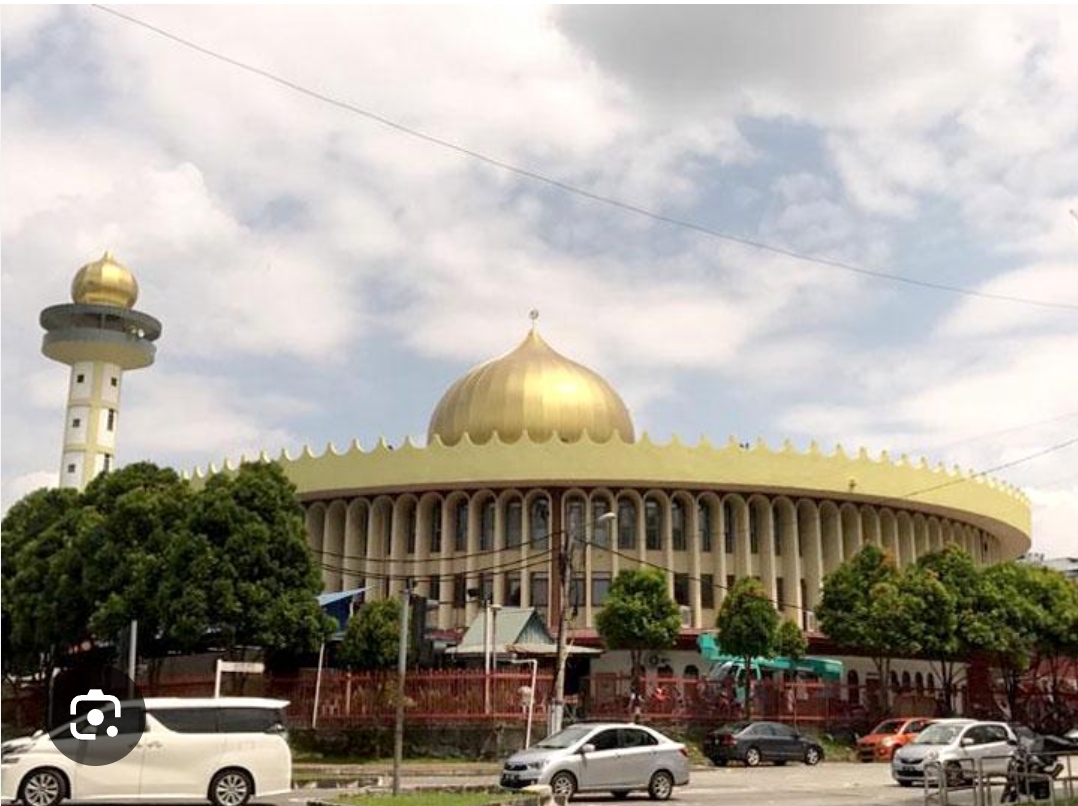
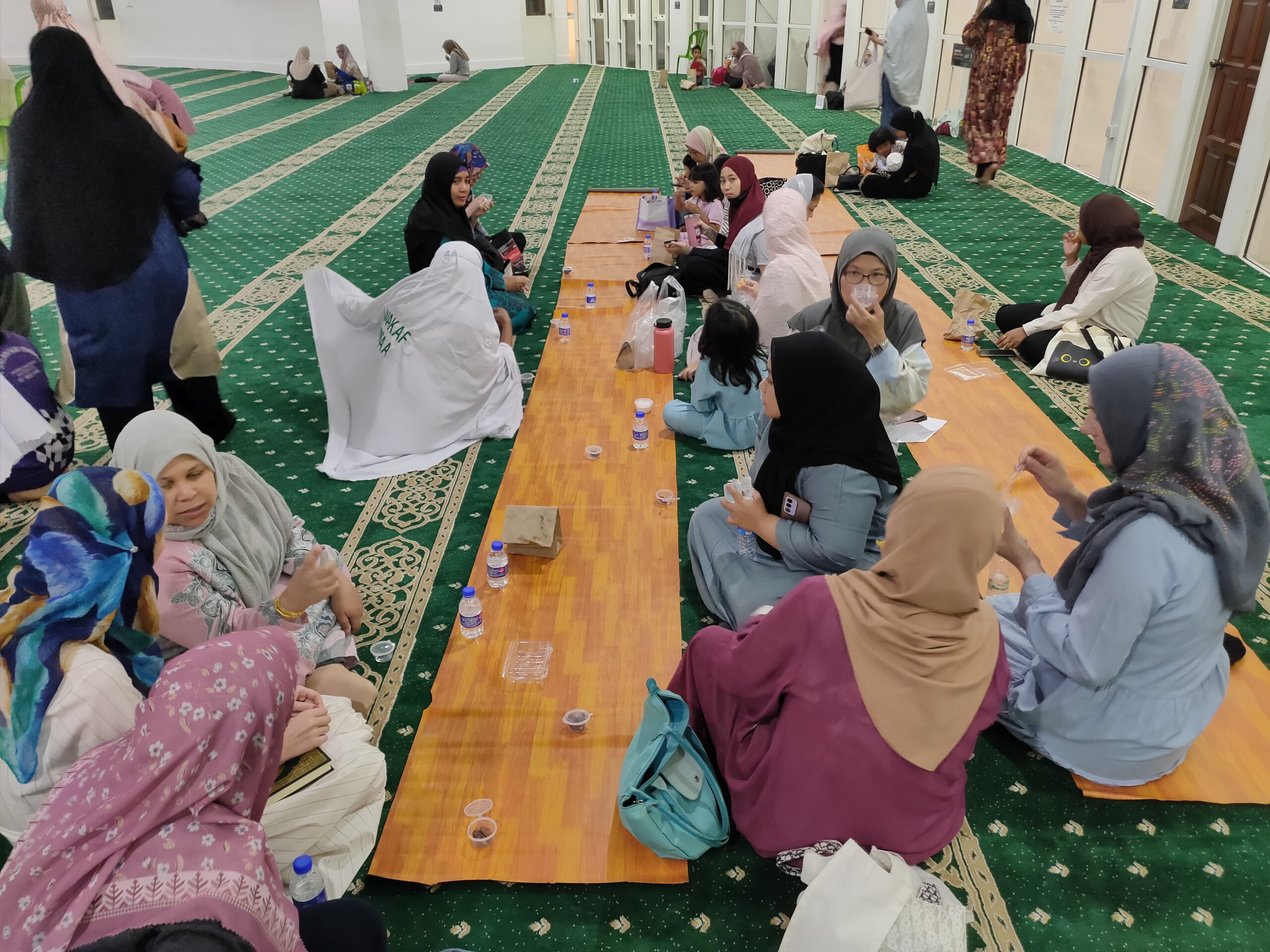
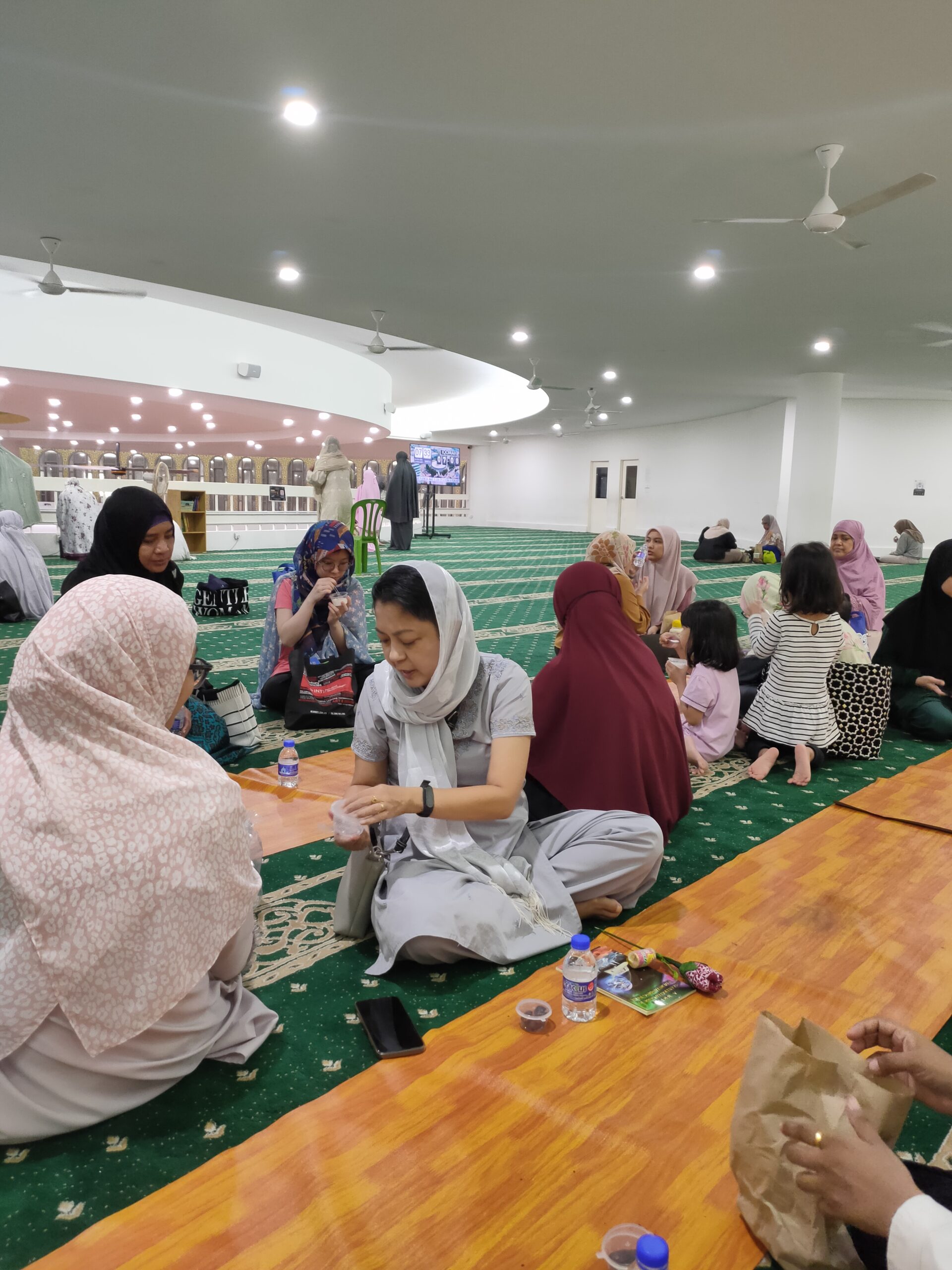
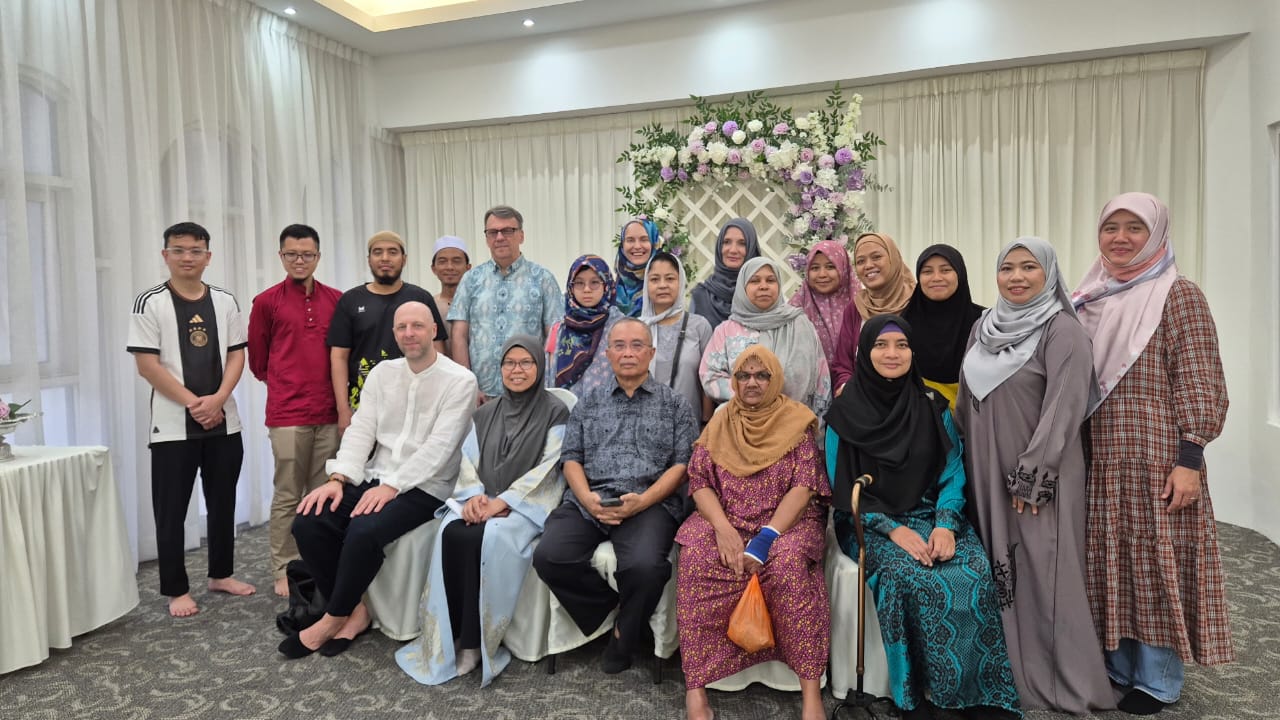
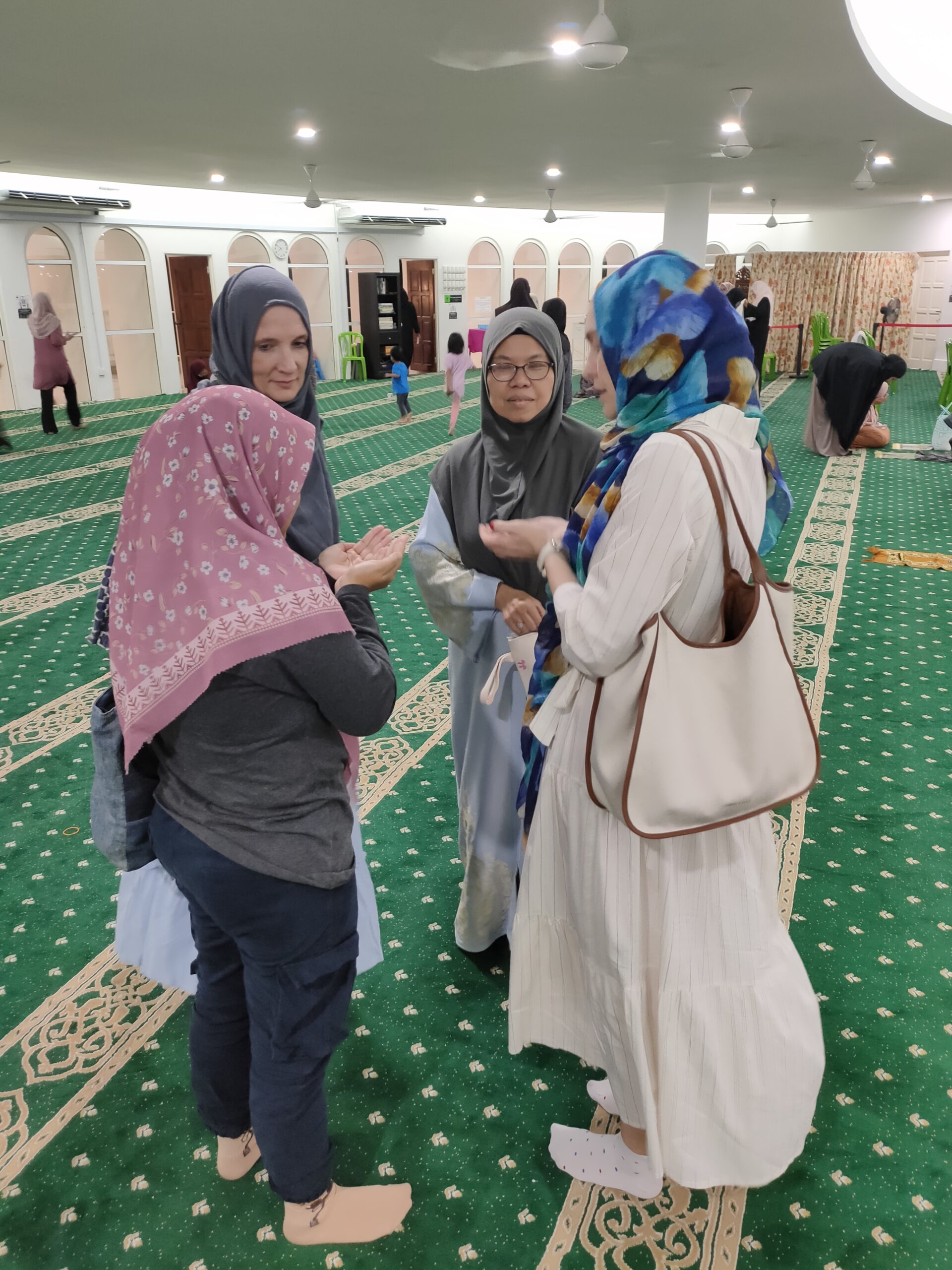
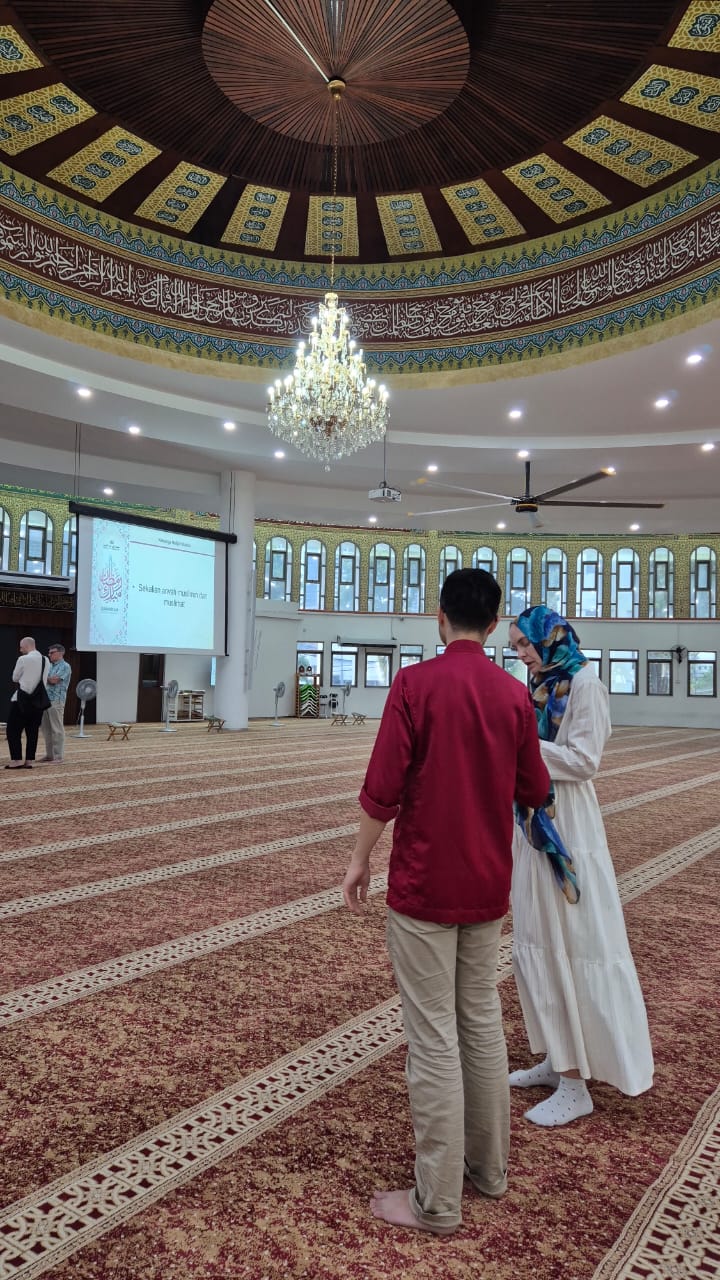
On Saturday, 28th February, a group of MCG members gathered at Masjid Tun Abdul Aziz — affectionately known as Masjid Bulat (“bulat” meaning “round,” after its distinctive shape). The mosque was built in 1977 in Seksyen 14, Petaling Jaya, and Explorers met for a Ramadan Buka Puasa experience. We arrived at 5:30 pm and spent the evening until around 8:30 pm immersed in the atmosphere of a real iftar at a local mosque.
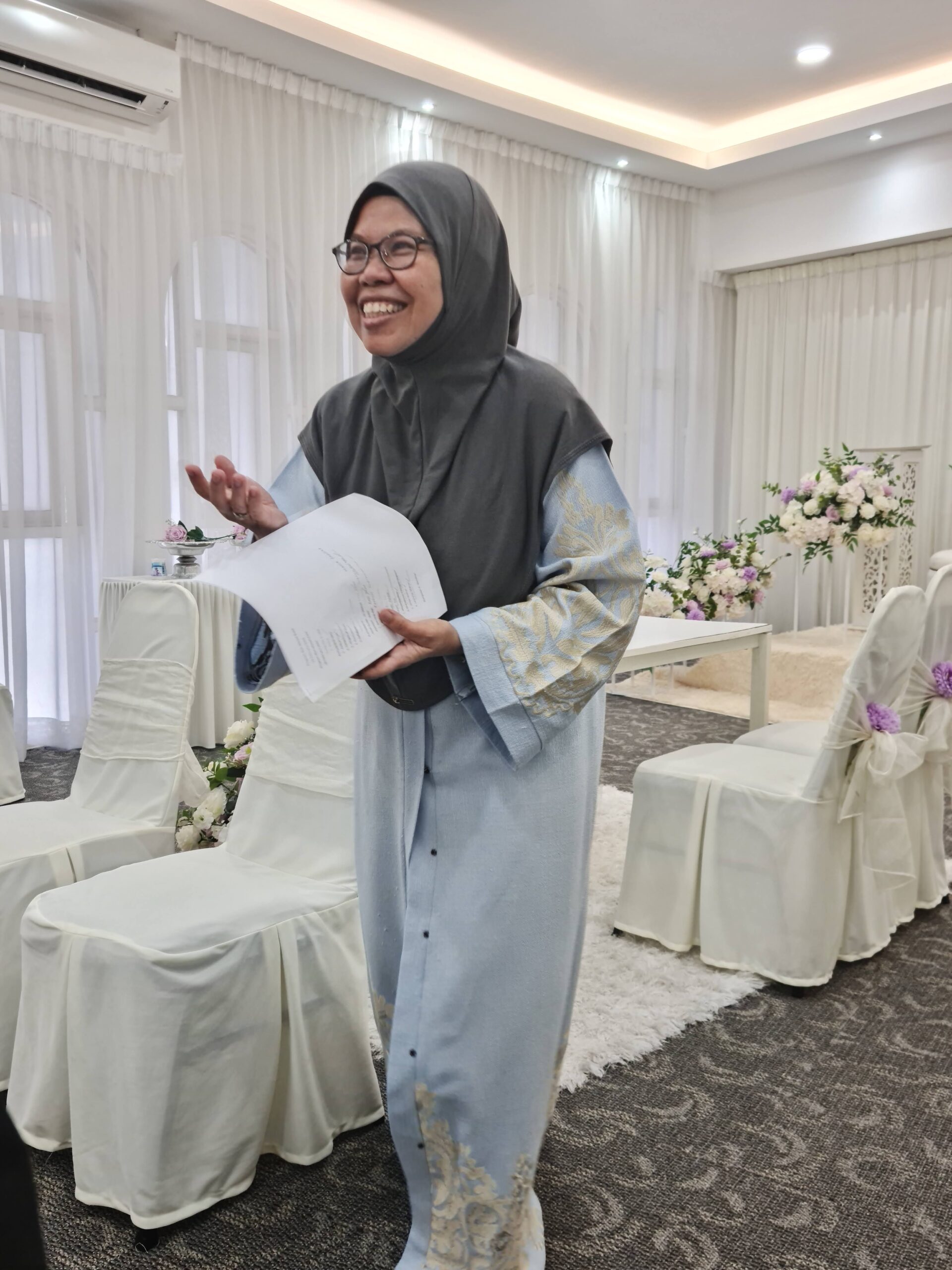
The evening began with a mini guided tour of the mosque led by Rakan Hidayah volunteers, who welcomed us warmly — their message was simple and heartfelt: “Just be our friend.” They walked us through the significance of the mosque as a community centre, a place not just for prayer but for learning, gathering, and supporting one another. We learned that Muslims are called to pray five times a day in the mosque, though this tradition is gradually being lost in modern life. Our guides shared the meaning behind the azan, the call to prayer: “God is greater” (Allahu Akbar) — greater than everything else. They explained the two key testimonies of the Islamic faith: that there is no god but Allah, meaning no corruption, money, or desire should come above our purpose in life; and that Muhammad is the messenger of Allah, who taught Muslims how to pray. We were told that Islam forbids the depiction of God in images or statues, and that the Quran is always recited and worshipped in Arabic to preserve the precision of its meaning, with all other versions being translations.
The conversation turned to the universal questions that every religion seeks to answer: Where do we come from? What are we doing here? Where are we going next? The answers, as our guides shared them, are that we come from God, we are here to worship and serve Him, and we will return to Him. The guides spoke of Islam as a religion of peace, and emphasised the importance of respecting the rights of the body, of other people, of the environment, and of one’s spouse. They shared the idea that a life without blessing is one where nothing ever feels enough.
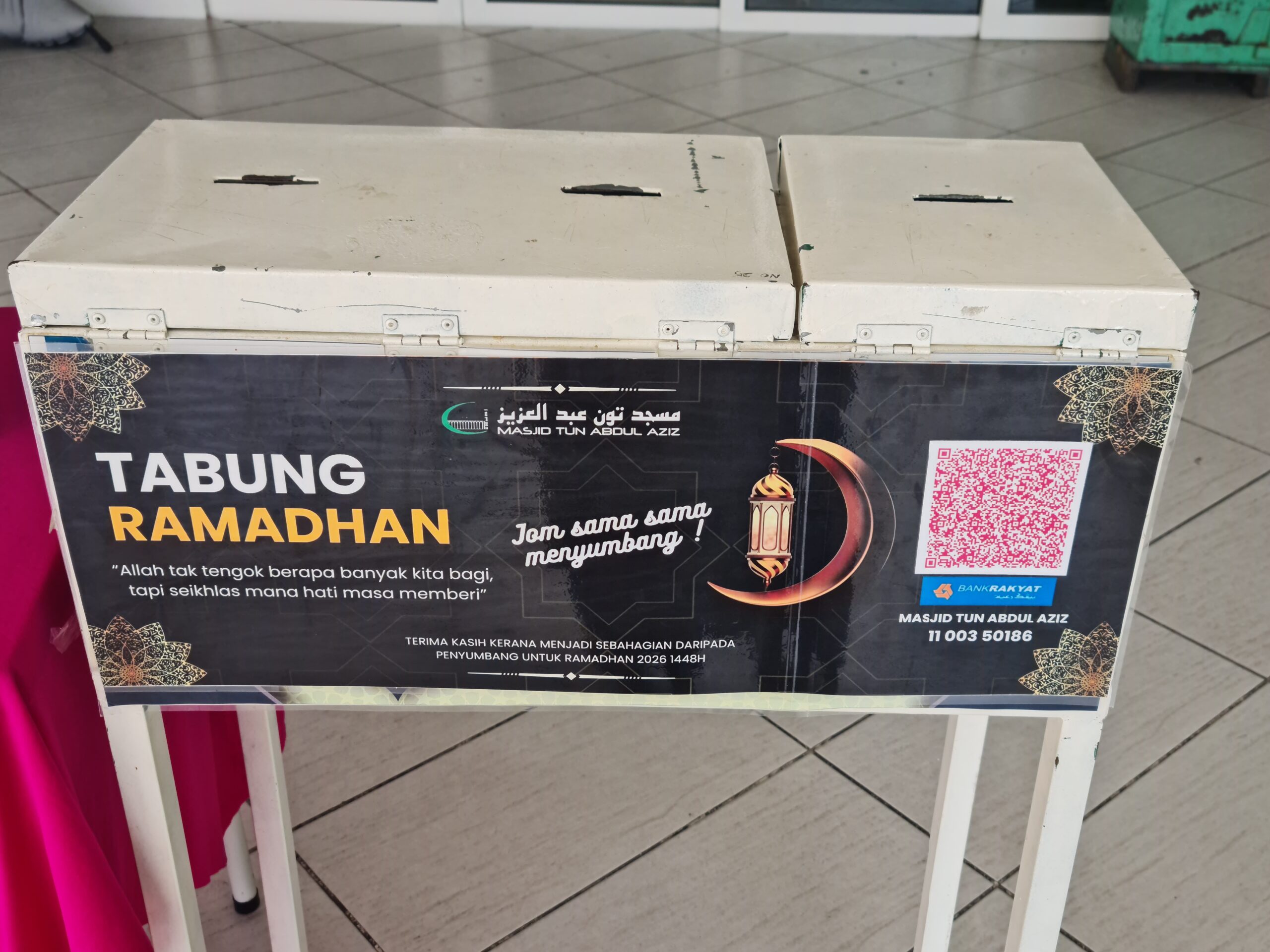
We learned about Shariah law, about the concept of taqwa — being mindful and careful in everything we do, knowing that God sees all — and that this is the true purpose of fasting. Fasting in Ramadan goes beyond abstaining from food and drink; it means no lies, no envy, and a conscious effort to observe how we speak, think, and behave. Our guides reminded us that fasting is not unique to Islam — it was prescribed for people before, including through Lent in Christianity and similar practices in Judaism. They described Ramadan as one of the most beloved months of the year for Muslims: it is the month in which the Quran was revealed to the Prophet Muhammad as a guide for all people. During Ramadan, Muslims engage in heightened charitable giving (obligatory charity), special night prayers, and a general reset of the self. It is, above all, a joyful time. We also learned about the ritual prayer, known in Arabic as solat, which involves standing, inclining, and laying down in prostration, followed by a private moment where you can ask God for anything.
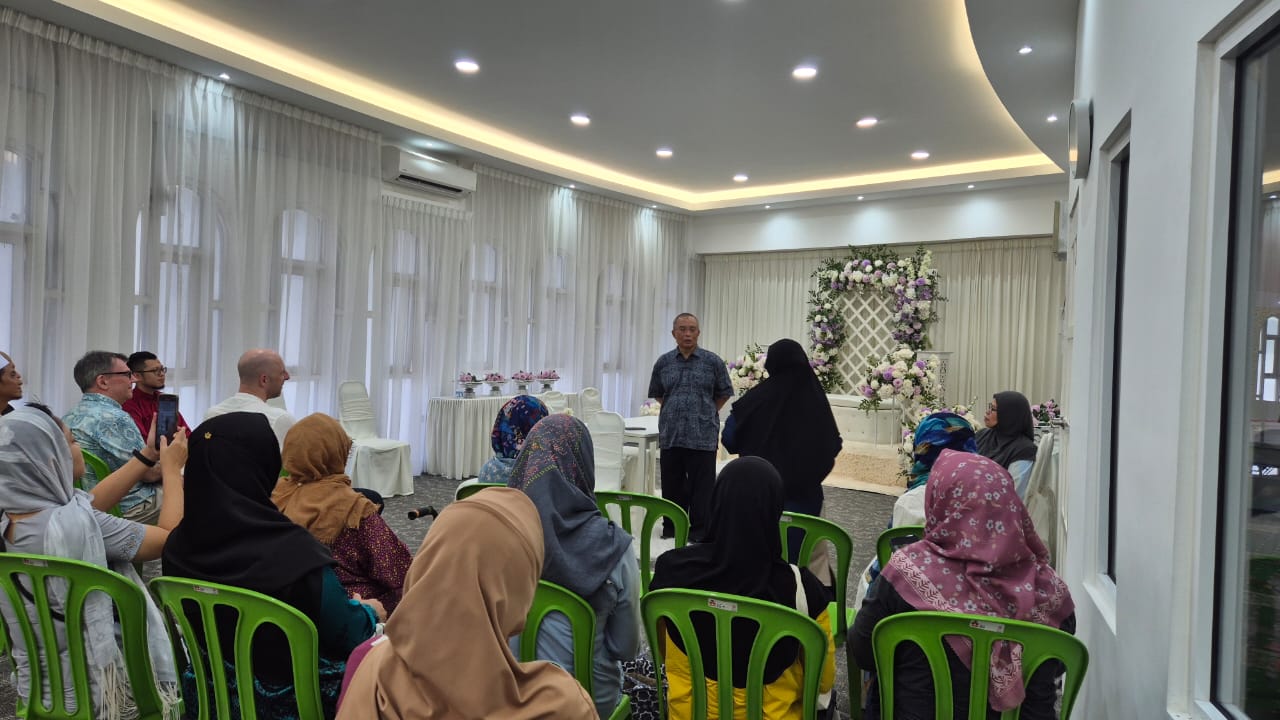
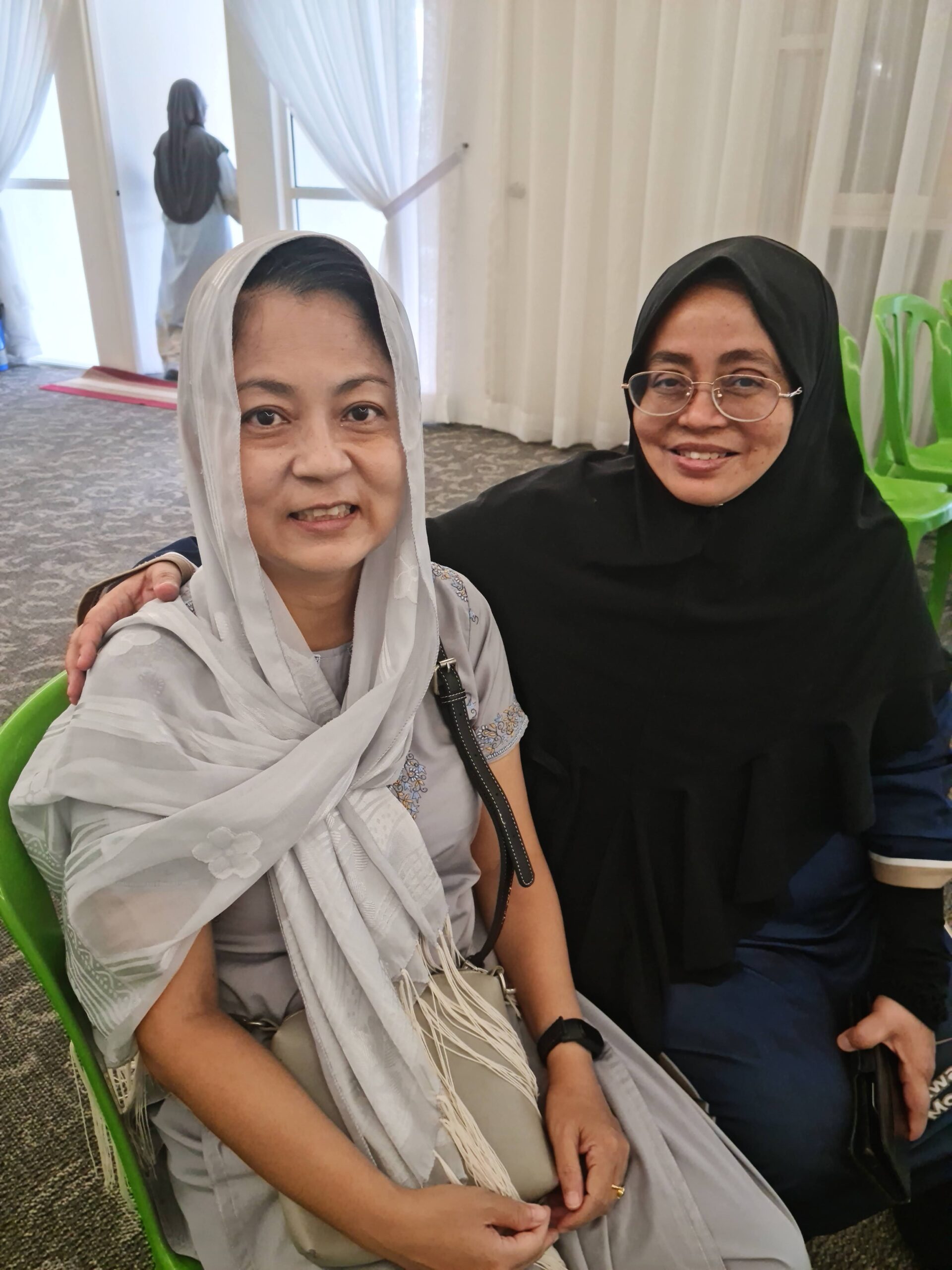
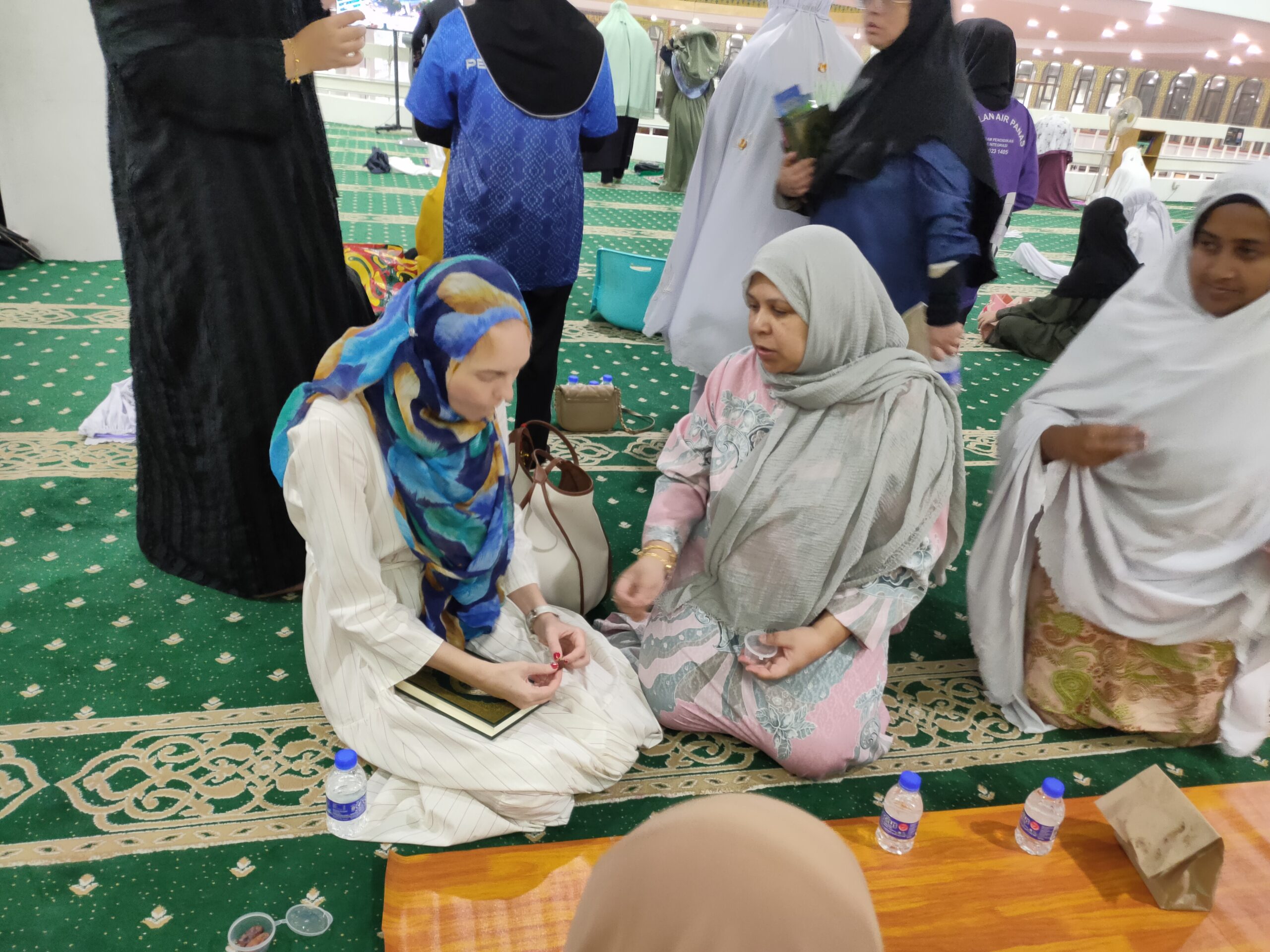
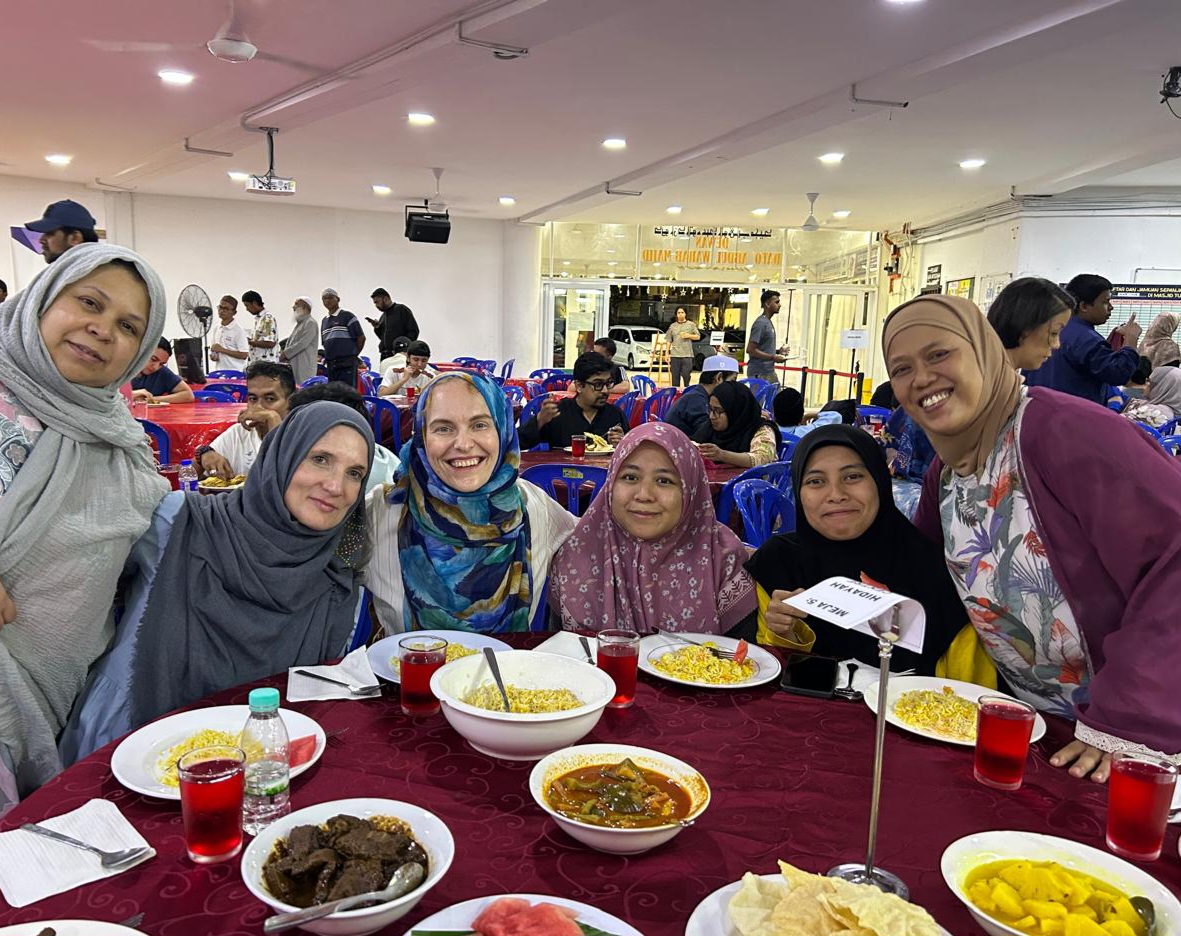
As the sun set, we experienced the iftar itself — breaking fast together with the mosque congregation with dates and water, just as it is done across the Muslim world. The mosque had prepared 500 portions for all visitors that evening. Immediately after iftar, we observed the Maghrib prayer. Following prayers, we enjoyed a delicious dinner together.
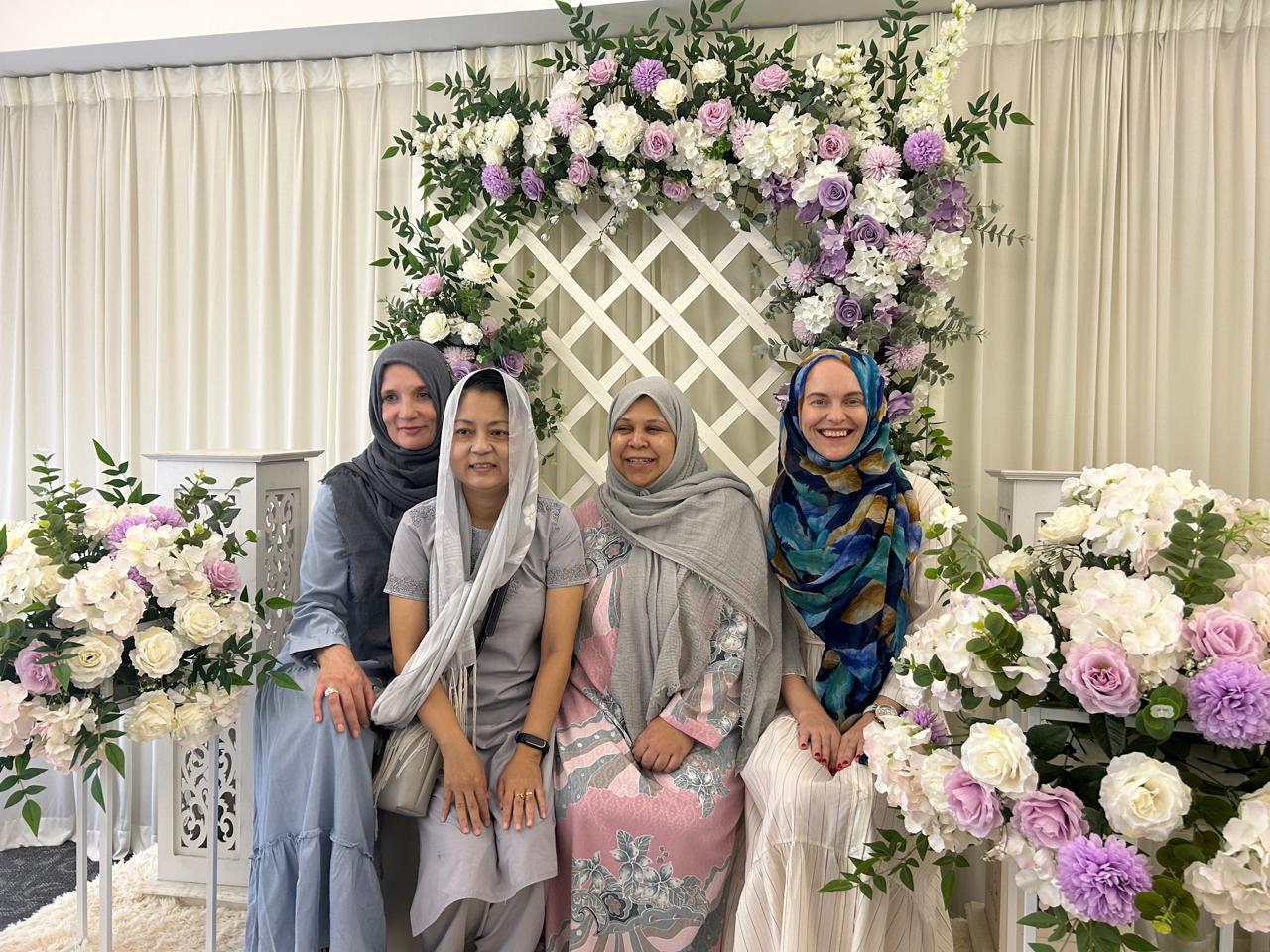
The evening was a beautiful window into what Ramadan truly looks like from the inside: the quiet, communal, spiritual heart of the fasting month. It was unique meaningful experience: sitting down with locals, sharing a meal, and being welcomed as friends.
Thank you to Maria Danilina for the detailed and meaningful review.