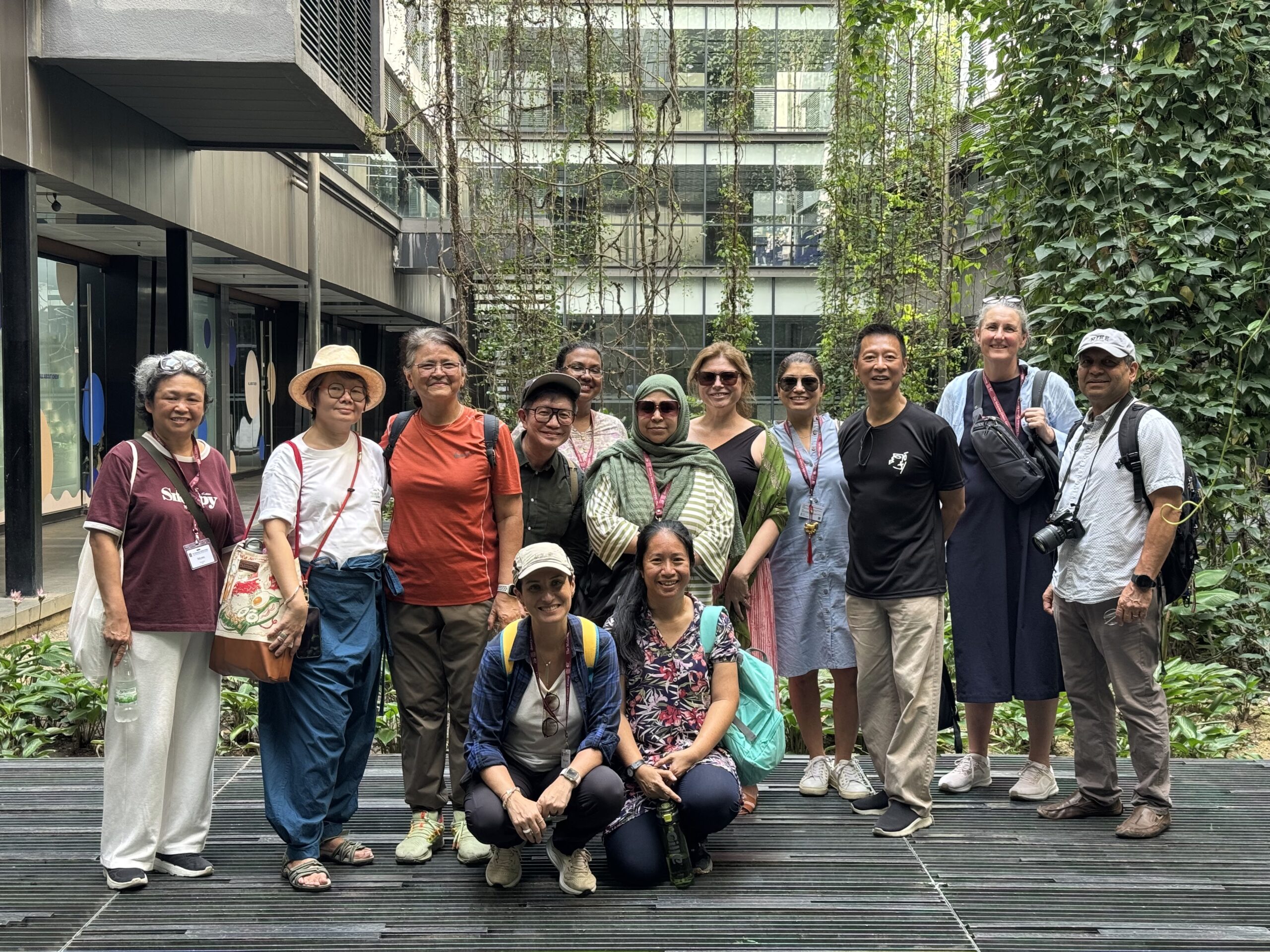
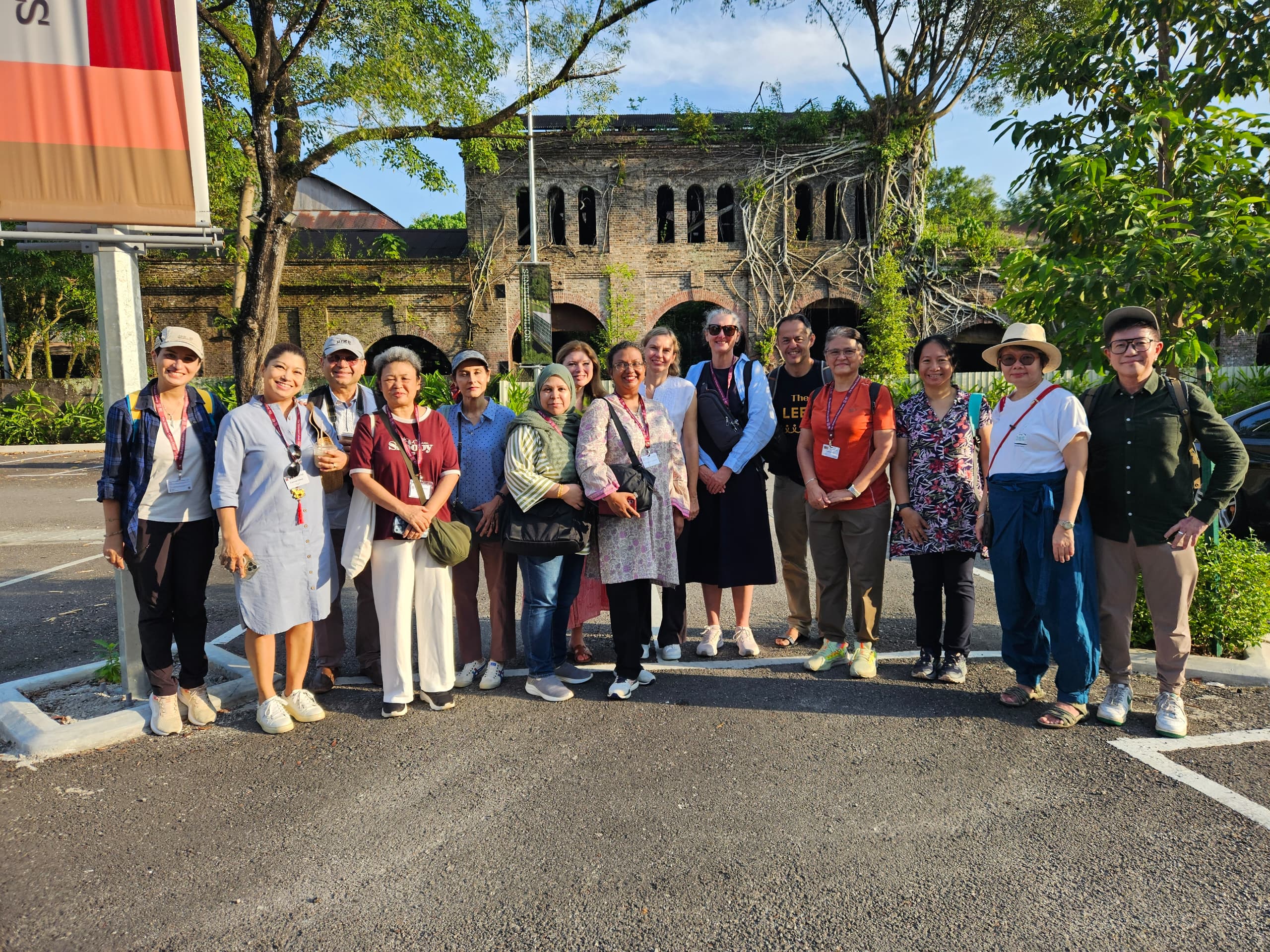
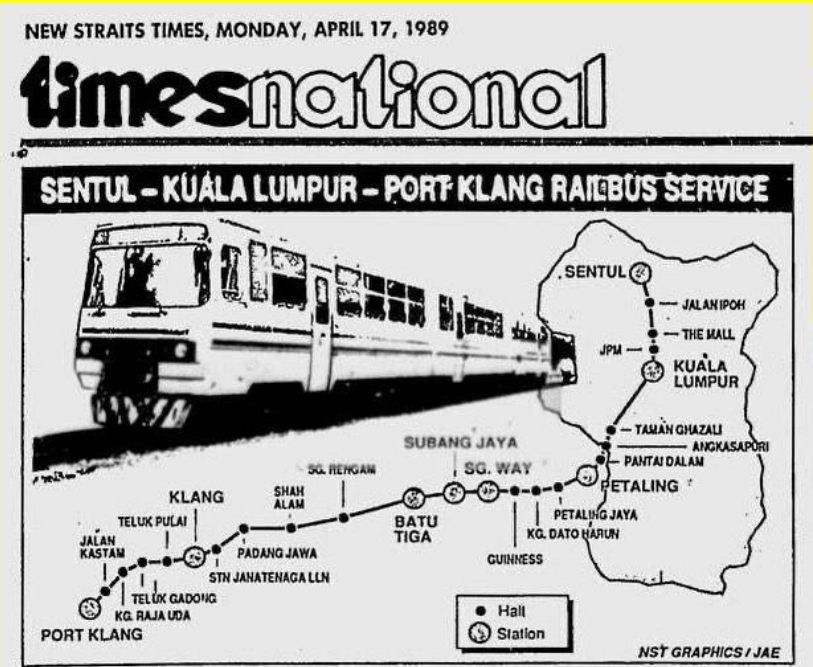
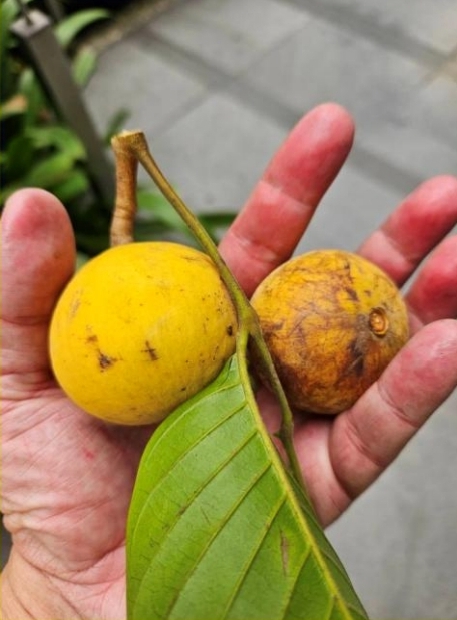
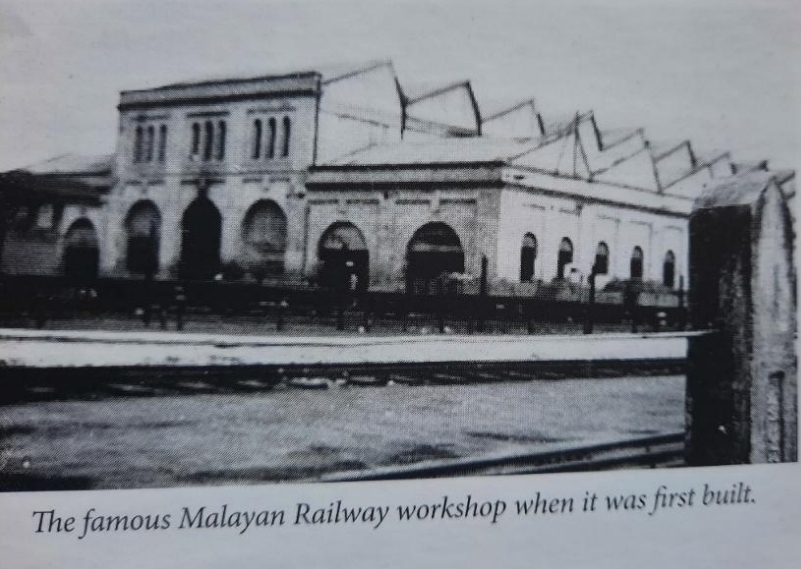
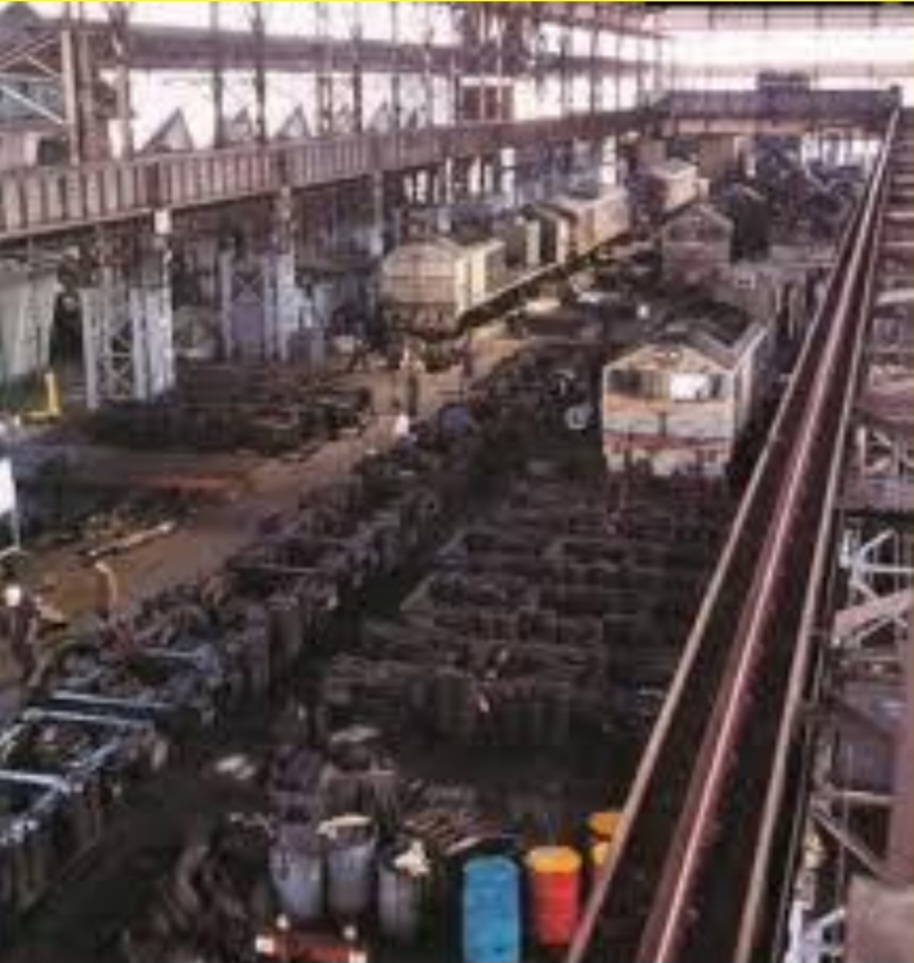
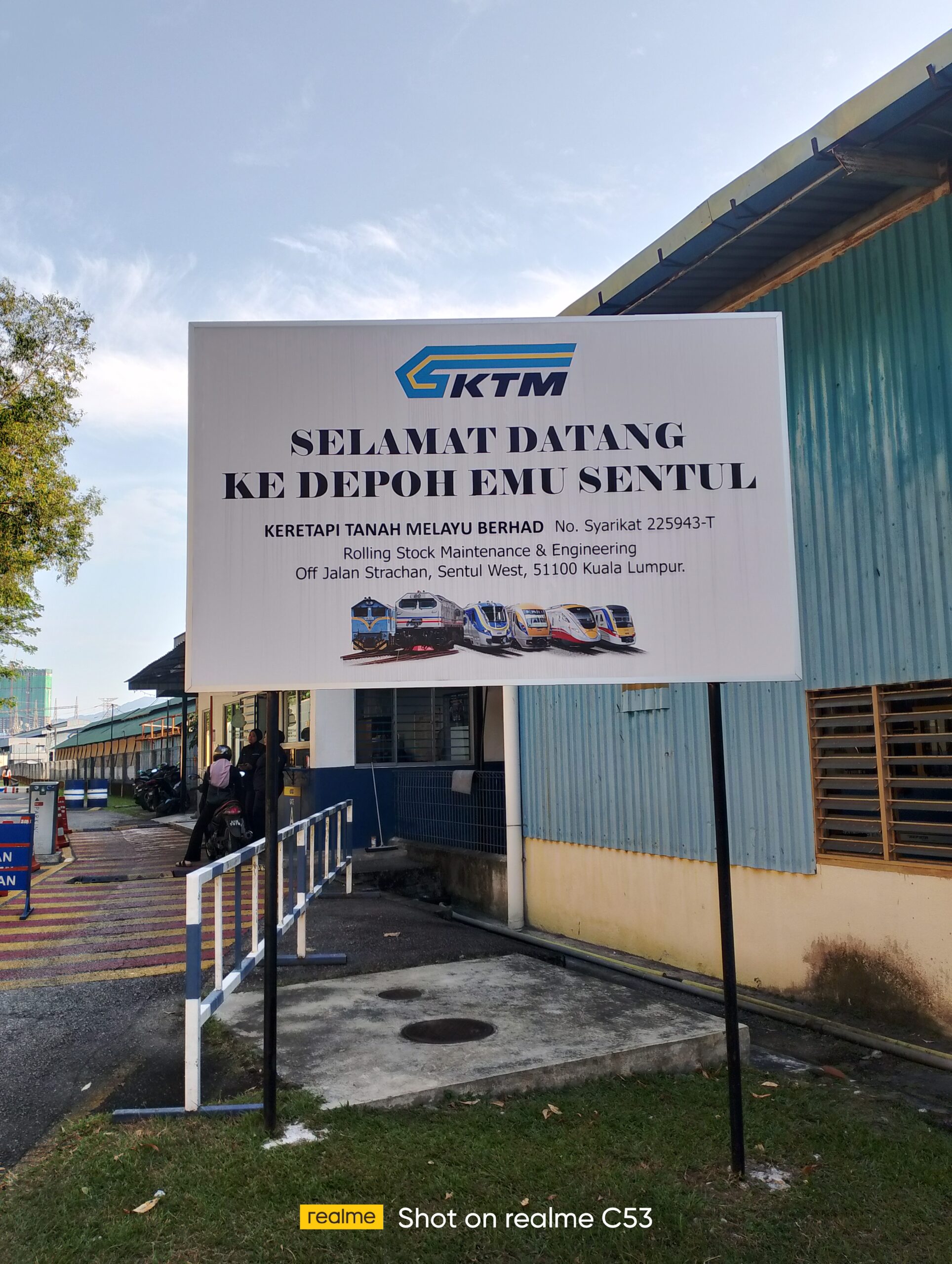
It was a cool, calm morning as Explorers set out on their walk through the neighbourhood of Sentul. Collaborating with the team from Sentul Then And Now (STAN), 13 members with guides Fred, Joelynn and Choo gathered at Sentul Depot for a brief introduction. We then crossed to the other side of the KTM Sentul Station. Fred started talking about the history of Sentul. Located north of KL city centre, Sentul town’s name was derived from the Sentul tree. It was a railway hub during British times, becoming one of the finest engineering workshops in the world with the establishment of Sentul Works under the Federated Malay States Railways (FMSR) in 1905.
The surrounding areas expanded with the growth of the railway industry creating a diverse community of railway workers, particularly Indian ethnic workers. During WWII, the Sentul railway depot was heavily bombed by the Allied forces. The bombings inevitably killed off usage of the railway facility by the Japanese Army.
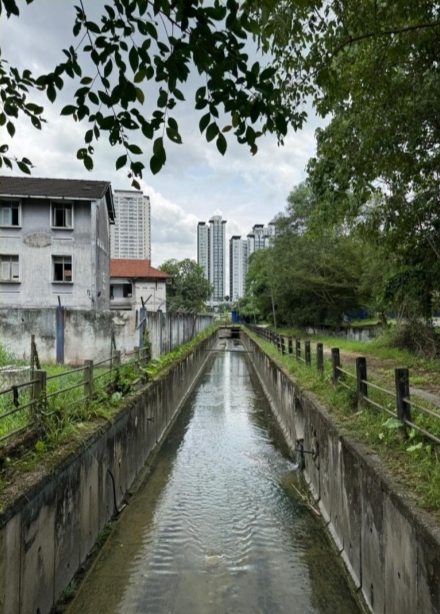
As we made our way onto Jalan Haji Salleh and passed by Sungai Untut (Untut river – now looking more like a monsoon drain than an actual river), Choo explained that although the area was rebuilt after the war, Sentul rapidly gained notoriety with its high crime and degenerating buildings. The story of Wong Swee Chin a.k.a Botak Chin was retold by Choo at this point. He was Malaysia’s most dangerous criminal in the 60s and 70s and was captured in Jalan Ipoh in Sentul in 1976. Botak Chin was eventually executed in 1981. If you grew up in Malaysia in the 70s you would definitely remember this episode in Malaysian history!
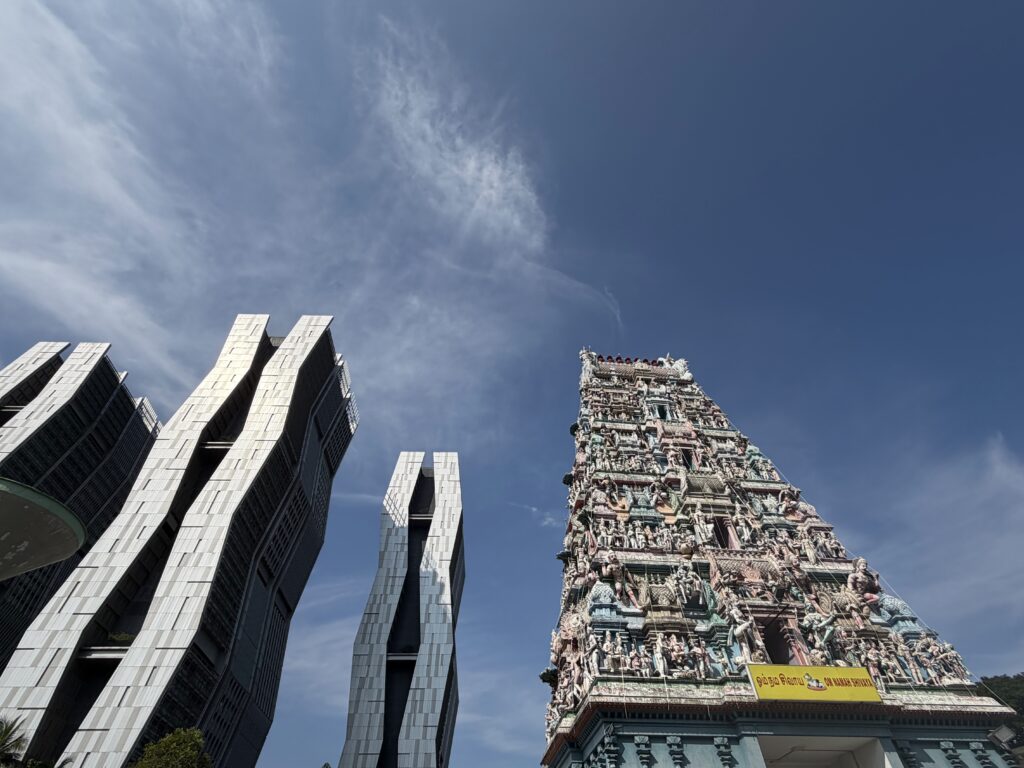
It was only in the 2000s that developer YTL rebuilt or as they put it in their marketing brochures – rejuvenated Sentul to its now modern, refreshed look and feel. I truly wonder if those are the precise words that I would use. A friend who was also there commented – “I can’t seem to take properly-framed photos of Sentul’s old landmarks – everywhere I focus, that gigantic building is in it!” She was referring to the Fennel, a 38-storey sharply angled residential tower (3 towers in fact). My heart felt heavy as I gazed up high into the sky, blinded by the Fennel’s triple peaks. It seemed almost unfair how this architectural structure presently dominates the Sentul skyline.
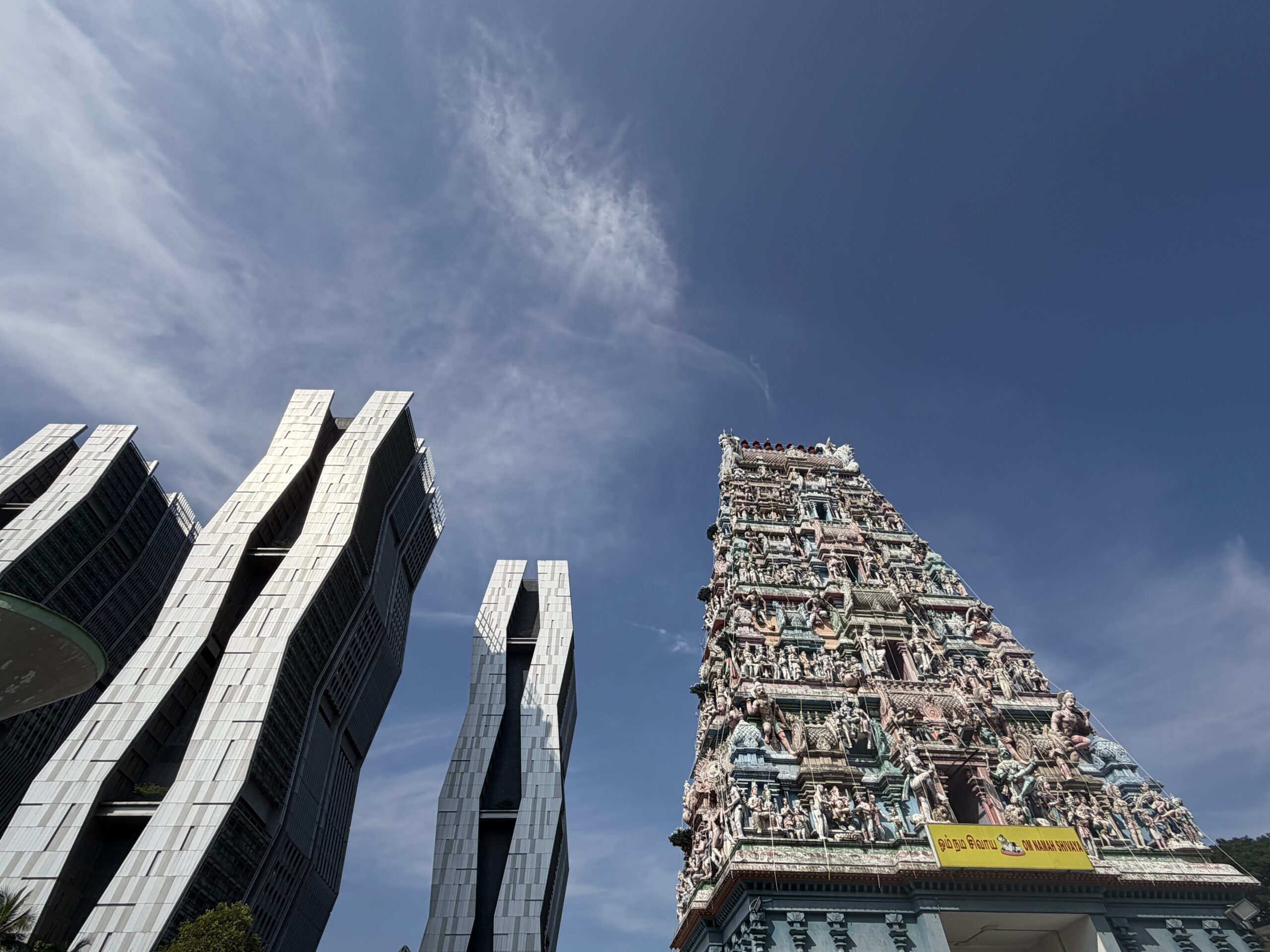
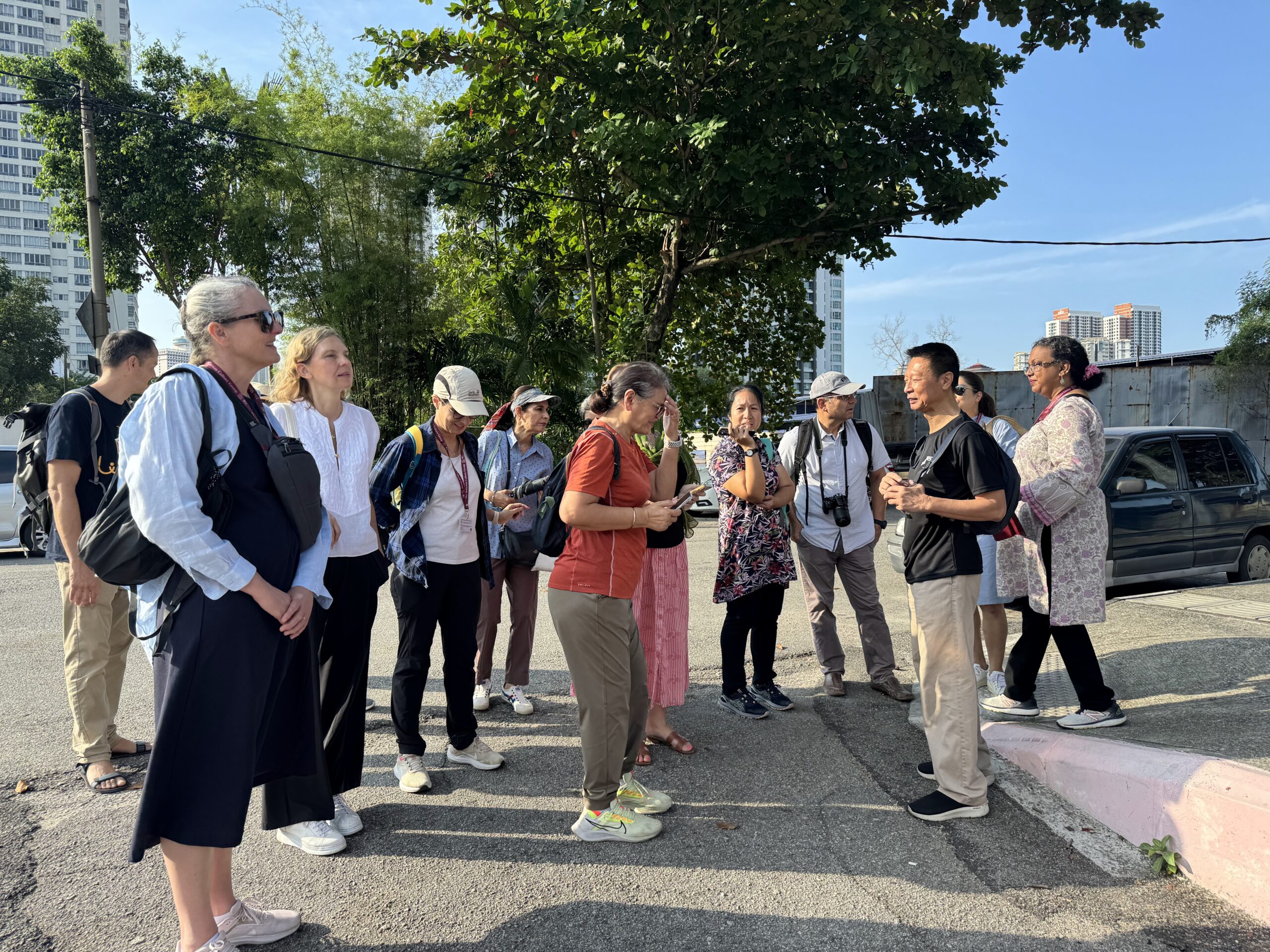
Our walking route took us to the following landmarks:-
- Jalan Haji Salleh
- Masjid Jamek/Pakistan Pekan Sultan
- Sungai Untut
- Gurdwara Sahib Sentul
- KB Menon Tailor
- Yong Hup Seng liquor shop
- St. Joseph’s Church
- Chi Man Chinese primary school
- Sentul Boulevard
- Athi Eeswaran Temple (Sivan Temple)
- Sri Lanka Buddhist Temple
- D6 Building
- Tea Thambi
- End point Sentul Depot (also our assembly point)
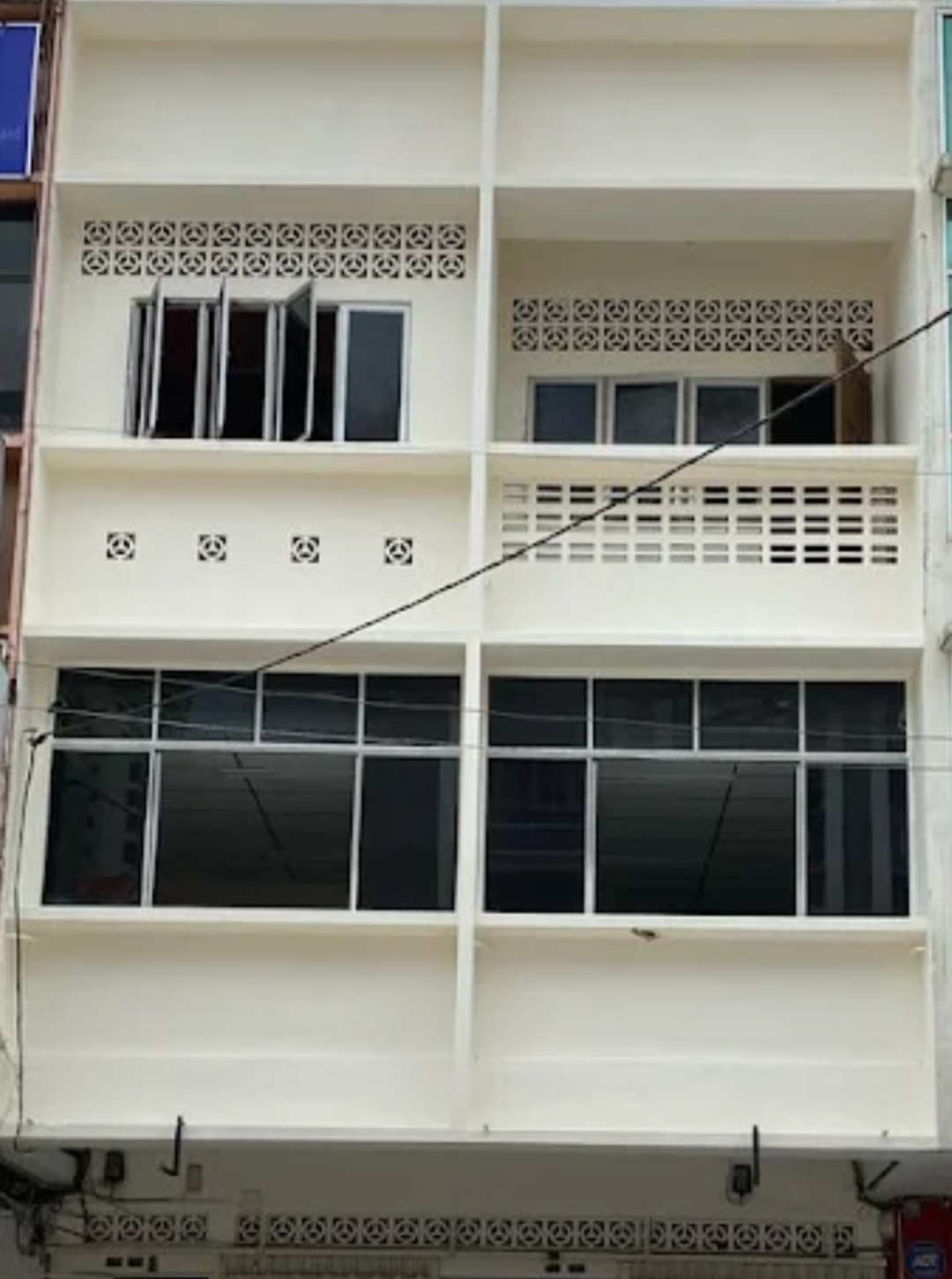
Most of the buildings above were built before the war. Our eyes caught the common “Mercedes Benz-like building ventilation hole shapes” which is an essential element for homes and buildings in Malaysia’s tropical climate.
As we continued with our walk, we were pleasantly surprised, bumping first into Angah, a nasi lemak proprietor and a friend of STAN’s. He was cycling along Jalan Haji Salleh and stopped to chat with us. Next was a confident and most articulate young girl from a nearby school, excitedly greeting us and introducing herself. Further along, a devoted, elderly monk at the Sri Lankan Buddhist Temple invited us in, and proceeded to engage in a conversation with us. But of course! Sentul was not only represented by its old world charms but by the friendly people we had met along the way.
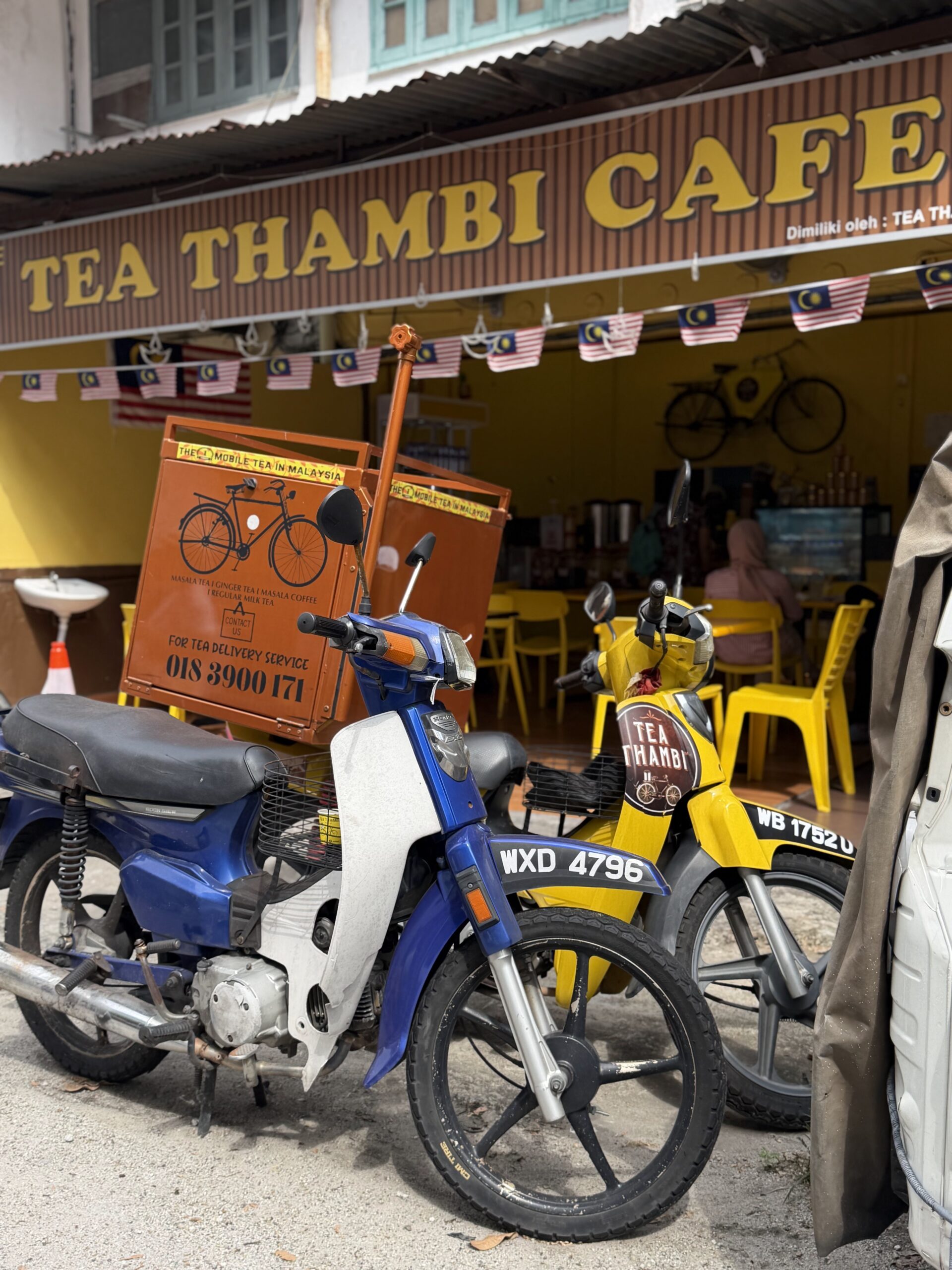
Finally, we arrived at Tea Thambi Cafe. As we took a breather, we promptly ordered masala chai, vadai, parpu vadai and curry puffs. We thanked our new friends from STAN for allowing us to experience a part of their beloved neighbourhood.
Sentul, you’re a gem!
Many thanks to Azlina for organising such a wonderful trip and for writing the evocative review.